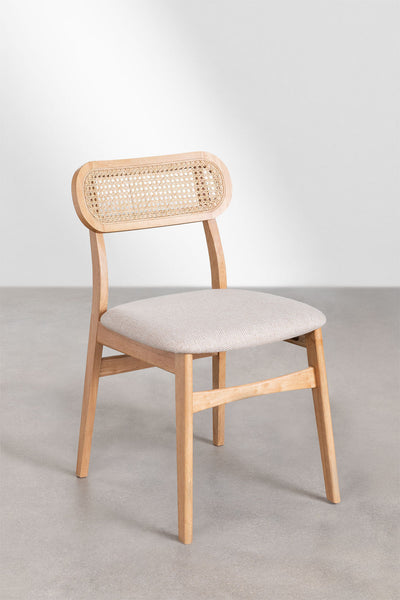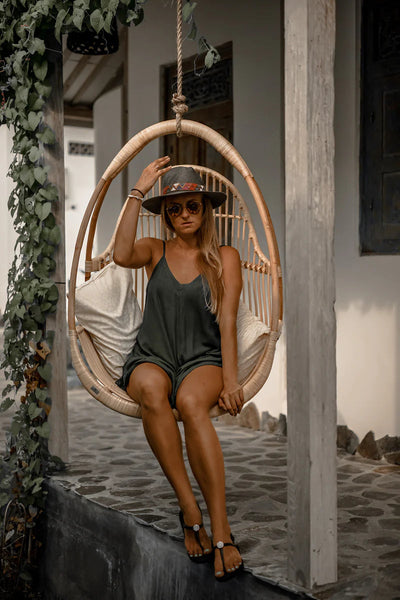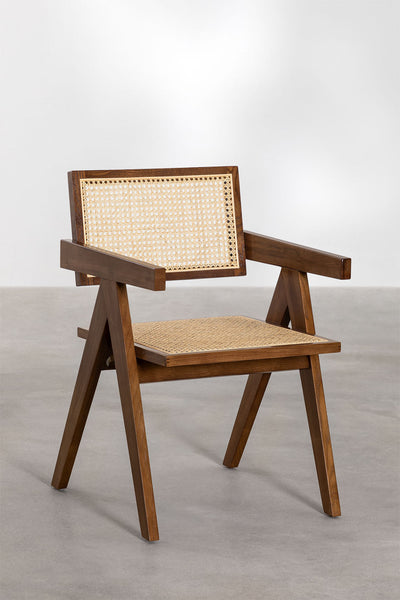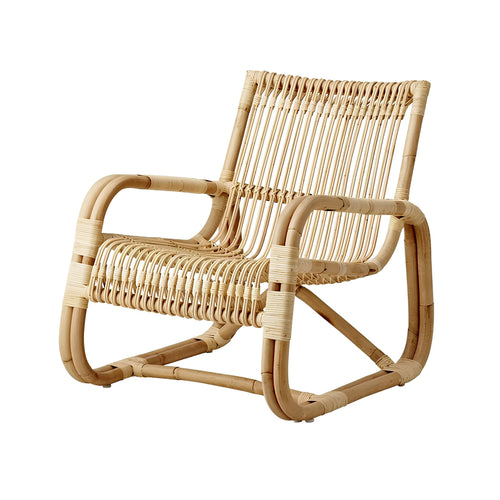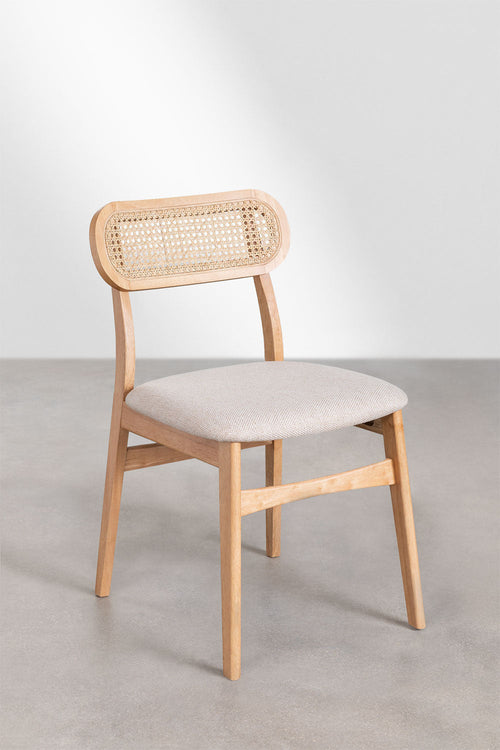

Woven accent chairs come in a few clear shapes. The classic one takes roughly an 18 by 18 inch seat with a low back, which suits a corner or a spot beside the sofa without crowding the room. Size the chair to the gap you actually have, not to the photo.
A living room can have the right sofa, a good rug and warm lighting and still feel a little unfinished. Nine times out of ten, the missing piece is a single accent chair, the one seat that sits slightly apart from the main set and gives the room a second focal point. A rattan or cane accent chair does this better than almost anything else, because its woven texture adds warmth without adding weight, and it reads as natural rather than bulky.
This guide walks you through choosing a rattan, cane or bamboo accent chair for your living room: the main chair types and the sizes they come in, how to pick the right one for your space, how to think about comfort and cushions, and how to style and care for it. Whether you call it an accent chair, a lounge chair, an armchair or a reading chair, the same handwoven materials show up across all of them, and the same simple rules help you choose well.
Everything here is grounded in how we make these chairs at Akway, where each piece is handwoven by Indian artisan families from natural rattan, cane and bamboo. By the end you will know exactly which chair belongs in your corner, and why the natural-material version is the one worth buying.
Rattan and cane chair types and sizes
Accent chairs come in a few clear shapes, and the woven materials map onto all of them. Here is how the common rattan, cane and bamboo chair types compare on size, feel and where they work best in a living room.
| Chair type | Typical footprint | Feel | Best spot in the living room |
|---|---|---|---|
| Woven accent chair | Approx. 18 x 18 in seat, low back | Light, upright, easy to move | Beside the sofa or in an empty corner |
| Cane lounge chair | Approx. 24 x 22 in seat, mid-high back | Relaxed, sink-in with cushion | A standalone reading or conversation corner |
| Rattan armchair | Wide seat with woven arms | Supportive, sociable | Facing the sofa for a seating pair |
| Hanging or swing chair | Needs ceiling height and clearance | Gently moving, playful | A bright corner near a window or balcony door |
| Bamboo accent chair | Slim frame, compact | Firm, airy, structural | Small living rooms and apartment nooks |
The footprint matters more than the price when you are working with a real Indian living room, where space is often tight. A slim bamboo or woven accent chair tucks into a corner that a deep lounge chair would crowd, while a wide rattan armchair earns its space only if you have a clear gap of at least three feet around it.
It also helps to think in pairs. A single statement cane lounge chair anchors a corner, but two matching rattan armchairs facing the sofa create a balanced conversation layout that suits open-plan flats and larger drawing rooms. If you are furnishing a compact 2BHK, one light woven chair and a small side table is usually all a corner can take without feeling crowded. In a bigger space you can mix a lounge chair for relaxing with a pair of slimmer accent chairs for guests, and let the shared natural material tie the three together even when the shapes differ. Always sketch the layout on paper or tape the footprint on the floor before buying, so you can see how walking paths and the coffee table work around the new seat.
How do you choose a rattan or cane accent chair?
Picking the right chair is less about taste and more about matching the seat to the spot. Work through these steps in order and you will avoid the two most common regrets, a chair that is too big for the corner or too low for comfortable getting up.
- Measure the gap first. Find the empty area you want to fill and measure its width and depth. Leave at least a hand's width of breathing room on each side so the chair does not look wedged in.
- Decide the job. A quick perch beside the sofa wants a light woven accent chair. A daily reading spot wants a deeper cane lounge chair with a cushion.
- Match the back height to use. Low backs feel casual and keep sightlines open. Mid to high backs support your shoulders for long sits.
- Check the seat height. Around 17 to 18 inches suits most people for easy sitting and standing. Lower lounge seats feel cozy but are harder to rise from.
- Pick the material for your climate. Rattan is naturally water-repellent and forgiving in humid coastal homes. Cane offers classic elegance indoors. Bamboo brings a firm, structural look for compact rooms.
- Confirm it is natural cane, not plastic. Run your hand over the weave and ask what it is made of before you buy.
One more thing worth weighing is who will use the chair and how often. A seat that mostly looks good in a corner can be lighter and lower, but a chair you will drop into every evening with a book and a cup of chai needs a supportive back and a seat height you can rise from easily. Households with older family members should lean toward firmer cushions and a slightly higher seat, while a reading chair for a teenager can be lower and more relaxed. Thinking about the real daily use, rather than just the look, is what separates a chair you love for years from one that quietly becomes a place to drape clothes.
Styling a woven chair in your living room
A rattan or cane chair is forgiving to style because the natural weave sits happily next to almost any palette. These three approaches cover the looks most Indian living rooms are going for.
Boho and coastal
Lean into the texture. Pair a natural rattan accent chair with a jute rug, a few leafy plants and a throw in earthy terracotta or off-white. Layer in woven baskets and a floor cushion nearby so the corner feels collected rather than staged. The goal is relaxed and lived-in, not matched.
Japandi and minimal
Let the chair do the work and keep everything around it calm. A slim cane lounge chair against a plain wall, one small side table in walnut tones and a single ceramic vase is enough. Stick to a tight palette of cream, sage and warm wood so the woven frame stands out as the one piece of texture in the room.
Modern Indian living rooms
Use a woven armchair to soften a contemporary set. If your sofa is grey or charcoal, a natural rattan chair breaks the heaviness and adds a handmade note. Place it at an angle to the sofa rather than in a straight line, add a cushion that picks up one accent colour from your curtains or rug, and the whole arrangement feels intentional.
Lighting and the reading corner
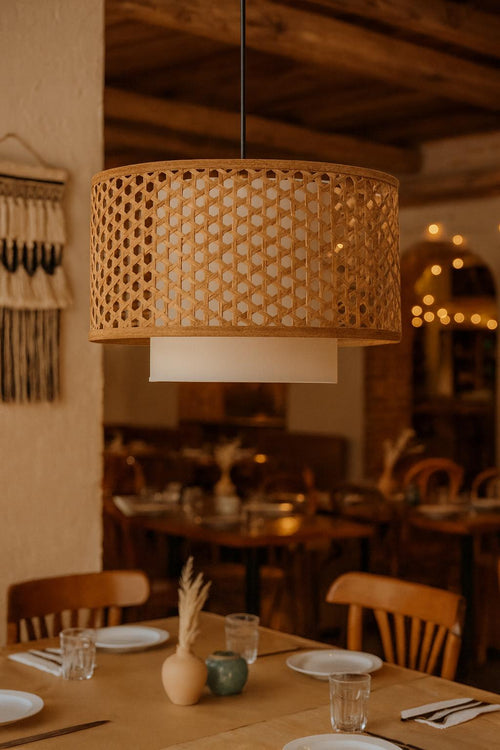
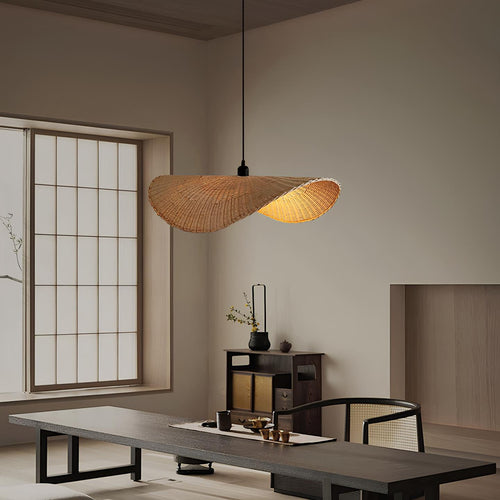
Whatever the style, a single accent chair becomes a proper corner when you give it light and a surface. Add a floor lamp or a rattan pendant overhead for soft evening reading, a small side table for your cup and phone, and a low stool or pouf if you like to put your feet up. A trailing plant on a stand or a stack of books finishes the vignette. The chair is the anchor, but these few supporting pieces are what turn an empty corner into the spot everyone quietly fights over.
Living room chairs worth buying
These are handwoven rattan, cane and bamboo chairs we make at Akway that work beautifully as living room accent and lounge seating, each crafted by Indian artisan families from natural materials.

Cane Lounge Chair with Cushion - Kimaya
A statement cane lounge chair with a distinctive silhouette and optional plush cushion, built to be the focal point of a living room or reading corner.
From Rs 19,999
Shop Now
Rattan Accent Chair Teak Finish - Leivel
A light handwoven rattan and wood accent chair with natural flex, easy to move and ideal beside a sofa or in a reading nook.
From Rs 8,999
Shop Now
Rattan Woven Accent Chair - Avni
A versatile rattan and wood armchair with a warm teak finish, equally at home as a living room accent seat or a study chair.
From Rs 9,899
Shop Now
Rattan Woven Chair Teak Finish - Bhavna
A sturdy woven rattan chair with a weather-resistant teak-finish frame, great as a pair flanking a console or facing the sofa.
From Rs 8,999
Shop Now
Rattan Bamboo Swing Lounge Chair - Kaia
A premium hanging lounge chair in your choice of bamboo, rattan or cane, a playful statement seat for a bright living room corner.
From Rs 18,999
Shop NowComfort and cushions
Woven chairs are comfortable in a way upholstered ones are not, because the cane has natural give and the open weave breathes, so you never get the sticky warmth of foam in an Indian summer. A few choices make the difference between a chair you sit in for five minutes and one you sink into for an hour.
- Add a seat cushion for lounge use. A 2 to 3 inch foam-and-fibre cushion turns a firm woven seat into a proper reading chair without hiding the weave.
- Keep accent chairs cushion-light. If the chair is mainly for a quick perch or for looks, a thin pad or none at all keeps the silhouette clean.
- Mind the seat depth. A deeper seat suits taller users and lounging, a shallower seat suits upright sitting and smaller frames.
- Use a lumbar cushion for long sits. A small cushion in the curve of your lower back makes a mid-back chair comfortable for reading.
- Pick breathable cushion fabric. Cotton, boucle or twill covers feel better against skin in warm weather than synthetic leatherette.
It is worth remembering that woven chairs get more comfortable with use, not less. The cane settles slightly and moulds to how you sit, so a seat that feels firm in the first week softens into something that feels made for you within a month. If you want extra give from day one, a removable cushion is the easiest fix, and choosing a cover in a washable fabric means you can refresh the look every season without buying a new chair. Keep a spare cushion cover in a contrasting colour and you have two completely different looks from the same seat.
Care
Natural rattan and cane reward a little attention and stay beautiful for years. The routine is simple.
- Dust the weave regularly with a soft dry cloth or a brush to keep grit out of the grooves.
- Wipe spills quickly and let the chair air-dry fully before sitting again.
- Keep the chair out of constant direct sunlight, which fades and dries natural fibres over time.
- If you use it on a balcony or covered patio, bring it under cover during heavy monsoon rain.
- Apply a thin coat of clear furniture wax or oil once or twice a year to keep the finish supple.
- Spot-clean cushion covers with mild detergent and store them indoors during the wettest months.