
Size the tray to the job it does. Nine to eleven inches carries tea for two, twelve to sixteen handles breakfast or guests, and sixteen to eighteen takes a full spread. Anything carrying bottles wants deep sides to catch the inevitable spills.
There is a small moment most of us skip. The kettle has boiled, the cups are out, and we carry the tea over one hot mug at a time, dripping a little on the way. A serving tray fixes that moment. It turns a clumsy two trips into one calm one, and somehow it makes the tea feel like an occasion instead of a chore. That is the quiet magic of a good wicker or rattan serving tray, and it is why this humble piece earns its place on almost every table in the house.
This guide covers everything you need to buy the right serving tray in India. We will look at the difference between wicker, rattan, cane, bamboo and seagrass trays, the common sizes and what they suit, how to choose one for your ottoman or dining table, the best ways to use it, how to care for it, and our pick of handwoven trays you can shop right now.
Quick answer: which serving tray for which use
Serving trays come in a few classic materials and shapes. Here is how they map to the way most Indian homes actually use them, from morning tea to a festive dessert spread.
| Tray size and shape | Typical use | Best spot |
|---|---|---|
| Small, 9 to 11 inch | Tea or coffee for two, snacks | Side table, bed, balcony |
| Medium rectangle, 12 to 16 inch | Breakfast, appetisers, serving guests | Dining table, kitchen counter |
| Large round, 16 to 18 inch | Full tea service, dessert spread | Coffee table, ottoman, dining |
| Square platter, 10 to 12 inch | Styling, candles, decor vignette | Centre table, console |
| Deep tray with high sides | Bottles, bar service, spills | Bar cart, dining sideboard |
Wicker, rattan, cane, bamboo or seagrass: what is the difference
These words get used as if they mean the same thing, and a lot of listings online mix them up. They are related but not identical, and the difference changes how a tray looks and lasts.
- Rattan is a climbing palm. Its solid core is strong and smooth, which makes it ideal for tray frames and handles that need to hold weight without flexing.
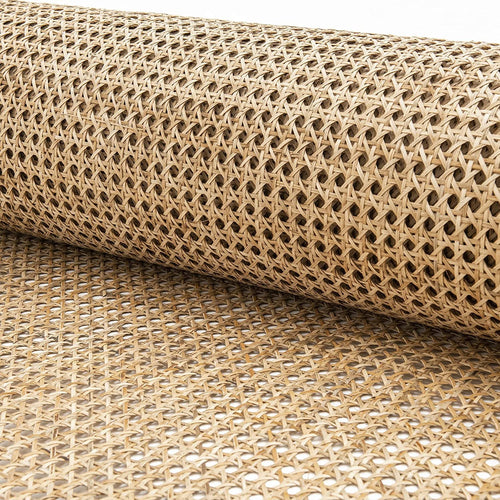
- Cane is the outer skin of rattan, peeled into thin strips and woven into the open lattice you see on many tray bases. It gives that classic, airy weave.
- Wicker is not a material at all, it is the weaving technique. A wicker tray can be woven from rattan, cane, bamboo or grass, so wicker describes the look and feel rather than the plant.
- Bamboo is a fast-growing grass with a harder, more uniform surface. Bamboo trays feel sturdy and a touch more modern, and they take a flat finish well.
- Seagrass and kauna grass are soft natural fibres with a warm, golden tone. Seagrass trays are lightweight, slightly rustic, and lovely for a relaxed, coastal or Japandi look.
For everyday serving, a rattan or wicker tray with a cane-woven base and solid handles is the most practical all-rounder. For a softer, lighter, more decorative piece, seagrass is a beautiful choice.
How do you choose the right serving tray?
A tray is one of those buys that feels simple until you get it home and find it is too small for the teapot or too wide for the ottoman. A few minutes of thought saves that.
- Decide the main job first. Tea for two needs a small tray. Serving guests at dinner needs a medium rectangle. Styling a coffee table needs a flat square or round platter.
- Measure where it will sit. For an ottoman or coffee table, the tray should take up roughly the centre third, with breathing room around it. Measure the surface and aim for a tray about half its width.
- Check the handles. Built-in handles make a loaded tray far easier and safer to carry. Make sure they are sturdy and woven into the frame, not glued on.
- Match the shape to the spot. Round and oval trays soften a square table. Rectangles suit narrow consoles and bar carts. Square platters are the most flexible for styling.
- Think about the finish. Natural beige suits almost everything. Antique black or brown adds contrast and hides marks better, which helps on a busy bar cart.
The best ways to use a serving tray at home
The right tray does far more than carry food. Here are the uses our customers reach for most.
Tea and coffee service
This is the classic. A small to medium tray holds the pot, two cups, a little milk and sugar, and a few biscuits, so the whole ritual travels together from kitchen to sofa or balcony. A rattan tray with handles makes the morning chai run feel a little more considered, and it keeps drips off the floor on the way.
Ottoman and coffee table styling
An empty ottoman or large coffee table can feel unfinished. A flat tray corrals the clutter, the remote, a candle, a small plant, a stack of coasters, into one tidy, intentional vignette. It gives the eye a place to land and instantly makes the room look styled rather than messy.
Breakfast in bed
A lightweight tray with raised sides turns a lazy weekend morning into a treat. Toast, a small bowl of fruit, a glass of juice and the tea all sit steady, and the handles let you carry it without a spill. Wicker and seagrass trays are light enough to rest comfortably across the lap.
Gifting
A serving tray is one of the easiest premium gifts to put together. Fill it with artisanal chocolates, dry fruits, tea sachets or small jars, wrap it, and you have a Diwali or housewarming present that gets used long after the contents are gone. A handwoven natural tray feels thoughtful in a way a boxed gift rarely does.
Bar cart and drinks service
On a bar cart, a deeper tray with higher sides keeps bottles and glasses grouped and stops rings on the cart itself. An antique black or brown finish looks sharp here and hides the odd splash. Move the whole tray to the table when guests arrive and the bar comes with you.
Our pick of handwoven serving trays
These are our favourite serving trays, each hand-woven by Indian artisan families from natural rattan, cane, wicker and seagrass. There is a size and finish here for tea, dining, styling and gifting.

Rattan Serving Tray with Handles - Dhara
Compact rattan and cane tray at 10 x 7 x 3 inch, with sturdy built-in handles. The everyday all-rounder for tea, breakfast and snacks.
From Rs 1,399
Shop Now
Round Wicker Serving Tray - Anvi
A round rattan platter with handles that softens a square table and doubles as wall decor. Ideal for a full tea service or a dessert spread.
From Rs 1,499
Shop Now
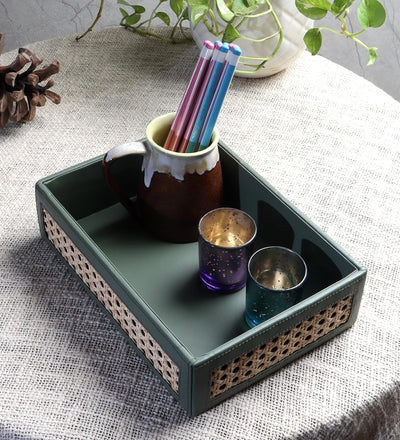
Antique Black Rectangle Tray - Azara
A modern rectangle platter in antique black, perfect for a bar cart or sideboard. The darker finish adds contrast and hides the odd splash.
From Rs 1,399
Shop Now
Rectangle Breakfast Tray - Ashni
A beige wicker rectangle with raised sides, made for breakfast in bed and serving guests. Light to carry, steady to set down.
From Rs 1,399
Shop Now
A soft, golden kauna grass tray at 11 x 8 x 3 inch. Light, rustic and warm, lovely for a relaxed Japandi or coastal look and easy gifting.
From Rs 799
Shop NowSizing a tray to your ottoman or table
Getting the proportions right is what separates a styled look from a cluttered one. Use these quick rules.
- Ottoman: pick a tray about half the ottoman's width, centred, so there is room to rest a cup beside it.
- Coffee table: a tray covering the middle third works best, leaving the edges free for books or a remote.
- Dining table: for serving, a medium rectangle that sits comfortably between place settings is ideal.
- Bed: measure the inside width of your lap and choose a tray a little narrower, with raised sides for stability.
- Bar cart: match the tray to the cart's top shelf, leaving a finger's width on each side so it lifts out easily.
Why a handwoven tray beats plastic or metal
- Warmth and character: natural weave brings texture and an artisan touch that mass-produced plastic and cold metal simply cannot match.
- Light to carry: wicker, rattan and seagrass are far lighter than a metal tray, which matters when it is loaded with a full tea service.
- Handmade and eco-friendly: woven by Indian artisans from natural, biodegradable fibres, with no plastic smell.
- Quietly versatile: the same tray serves tea, styles a table and wraps up as a gift, so it earns its keep.
- Suits every style: boho, rustic, Japandi, coastal and modern Indian interiors all welcome a natural tray.
How do you care for a wicker or rattan serving tray?
- Wipe dry after use and never soak the tray in water.
- Line the base with a cloth or parchment for wet, oily or hot food.
- Dust regularly with a dry cloth or soft brush to keep the weave clean.
- Wipe spills quickly and let the tray air-dry fully before storing.
- Keep it in a dry, ventilated spot, away from direct heat and damp.
- A thin coat of clear wax once a year keeps the natural finish looking new.