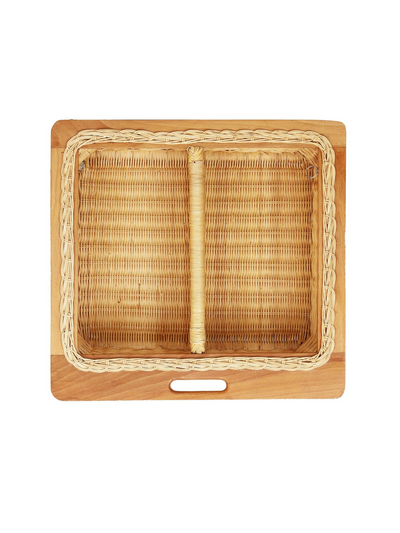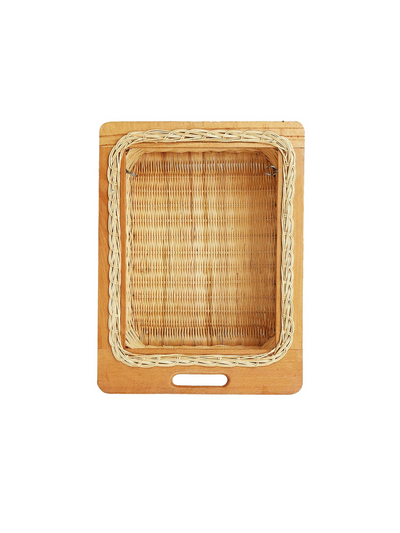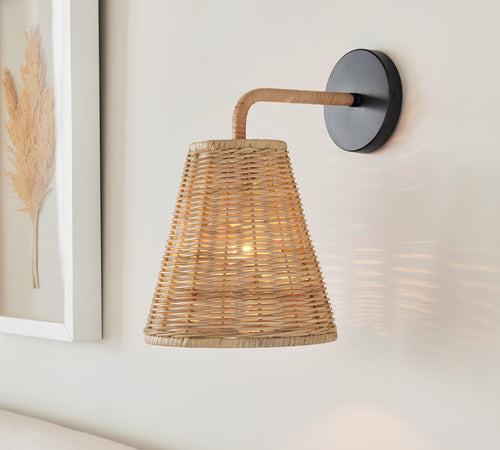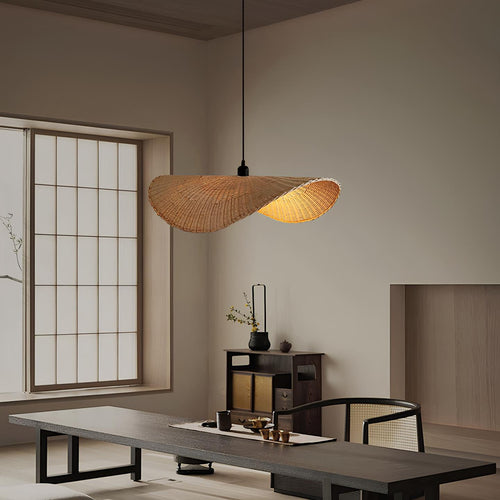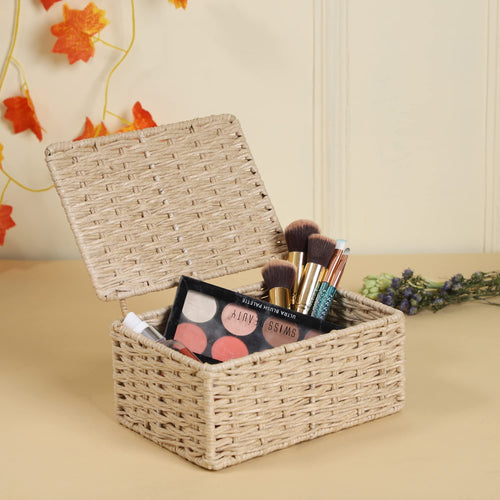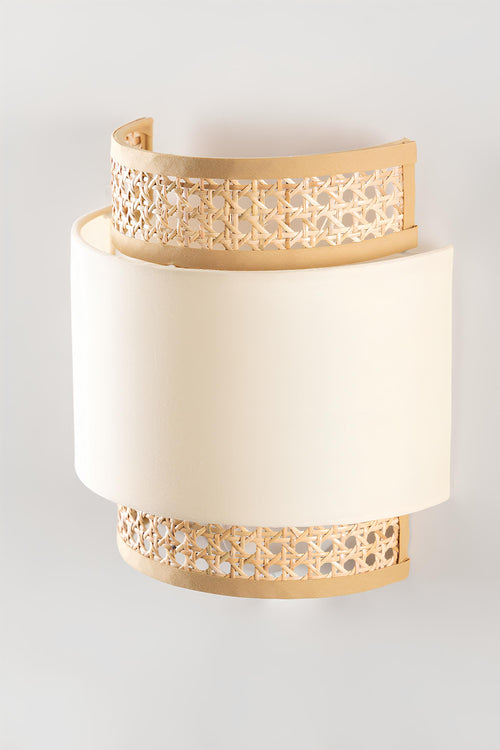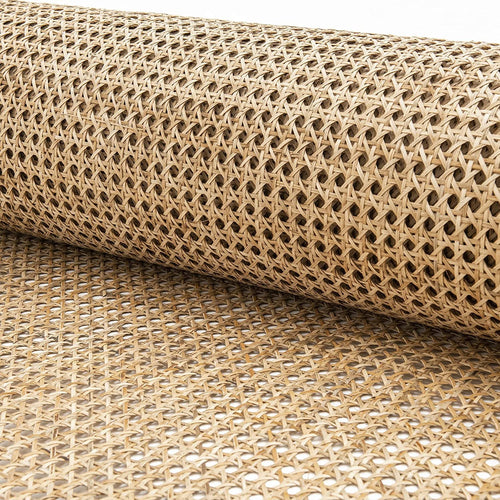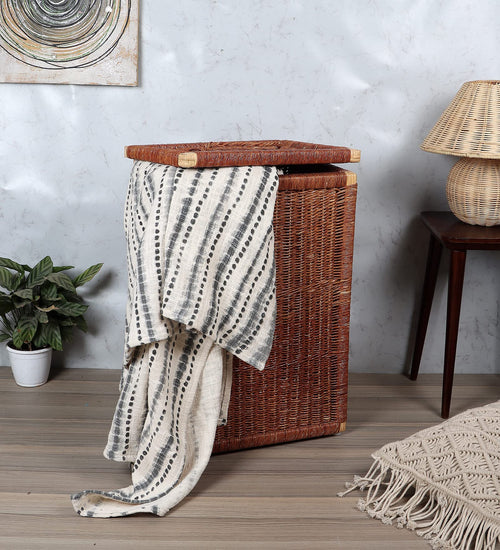

Plastic costs less upfront, often under Rs 1,000, against roughly Rs 3,000 to Rs 3,500 for wicker. But plastic baskets are mostly solid, so they trap air, while a woven wicker basket breathes. For onions, potatoes and anything else that needs airflow, wicker is the better buy.
Walk into any kitchen shop in India and you will see two kinds of baskets stacked next to each other. On one side, glossy plastic organisers in bright colours, priced low and promising easy cleaning. On the other, handwoven wicker baskets in natural cane and bamboo tones that look like they belong in a magazine. Both claim to be the right choice for your modular kitchen. So which one actually is?
The honest answer is that it depends on what you are storing and what you care about most. Plastic is cheap and wipes clean in seconds, and for some jobs that is genuinely the better call. But for everyday kitchen storage, for keeping onions and potatoes fresh, and for a kitchen you want to look good for years, woven wicker wins on the things that matter most.
This guide compares plastic and wicker kitchen baskets fairly, factor by factor, so you can decide with your eyes open. We will look at price, airflow, looks, durability, hygiene and the environment, then point you to the right basket for your cabinets.
Quick comparison: plastic vs wicker kitchen baskets
Here is the short version before we dig into each point. This table sums up how plastic and wicker baskets compare on the six things people ask about most when organising a modular kitchen.
| Factor | Plastic basket | Wicker basket |
|---|---|---|
| Price | Lower upfront, often under Rs 1,000 | Higher upfront, around Rs 3,000 to Rs 3,500 |
| Airflow | Mostly solid walls, little ventilation | Open weave, air moves through freely |
| Looks | Functional, can look cheap and date quickly | Warm natural texture, premium and timeless |
| Durability | Cracks, warps and yellows over time | Lasts years with simple care |
| Hygiene | Wipes and washes clean easily | Needs dusting and dry wiping, not soaking |
| Eco-friendliness | Petroleum-based, slow to break down | Natural, renewable and biodegradable |
You can already see the pattern. Plastic leads on price and on raw washability. Wicker leads on airflow, looks, durability and the environment. The rest of this guide explains why, and helps you match each material to the job.
One thing worth saying upfront: this is not really an either-or fight. The smartest Indian kitchens we see use both. They put washable plastic where things get wet, and breathable wicker everywhere food and looks matter. By the end of this guide you will know exactly which basket belongs in which cabinet, instead of buying one material for the whole kitchen and regretting half of it.
Where plastic baskets actually make sense
It would be unfair to dismiss plastic. For a few specific jobs it is genuinely the smarter pick, and pretending otherwise would not help you organise a real kitchen.
The first honest advantage is price. A plastic kitchen basket often costs a fraction of a handwoven one. If you are setting up a rental kitchen, kitting out a hostel, or you simply need ten small organisers fast and cheap, plastic gets the job done without stretching the budget.
The second is washability, and this is the big one. Plastic does not mind water. You can run a plastic basket under the tap, scrub it with soap, even put smaller ones in hot water, and they come out clean. For anything that gets genuinely messy and wet, that matters.
That makes plastic a reasonable choice for a few clear cases:
- Under-sink storage: the area below the sink is damp and occasionally leaks. A washable plastic tub handles spills and moisture far better than woven wicker.
- Cleaning supplies: dishwashing liquid, scrubbers and sprays can drip. A plastic caddy you can rinse out makes sense here.
- Fridge and freezer bins: cold, damp and occasionally sticky. Plastic wipes clean and shrugs off the moisture.
- Very tight budgets: when you need many organisers immediately and cost is the deciding factor, plastic is the practical answer.
So plastic is not the villain. For wet zones and rock-bottom budgets it is the right tool. The trouble starts when people use it everywhere, including the cabinets where a wicker basket would serve them far better and longer.
Why wicker wins for most kitchens
For the bulk of your modular kitchen, the open shelves, the pull-out drawers, the cabinets holding produce and dry goods, woven wicker is the stronger long-term choice. Here is why, point by point.
Airflow that keeps food fresher. This is wicker's standout advantage and the reason it has been used for kitchen storage for centuries. The open weave of cane, rattan and bamboo lets air circulate around whatever you store. Solid plastic traps moisture and warm air, which is exactly what makes onions sprout and potatoes go soft. A breathable wicker basket lets that moisture escape, so produce lasts noticeably longer.
Looks that lift the whole kitchen. A modular kitchen is an investment, and the storage inside it should not cheapen the look. Natural wicker brings a warm, handmade texture that suits boho, Japandi, farmhouse and modern Indian kitchens alike. Where bright plastic tends to clash and date, woven baskets in natural tones look intentional and stay timeless. Pull out a wicker basket in front of a guest and it reads as considered. A plastic tub does not.
Durability that outlasts plastic. Plastic feels tough but it has a clock on it. Heat from the kitchen, sunlight and daily handling make it brittle, and over a couple of years it cracks, warps at the rim or yellows. Handwoven wicker, cared for simply, holds its shape and colour for years. You buy it once instead of replacing cracked organisers again and again.
Better for the planet. Plastic is petroleum-based and lingers in landfill for generations. Natural wicker is woven from renewable cane and bamboo, grows back fast, and is fully biodegradable at the end of its life. For a kitchen you use every day, that is a quiet but real difference.
Made by hand, built to fit. Akway's wicker baskets are hand-woven by Indian artisan families, and they are sized for real modular kitchen cabinets. That means they slide into your drawers and pull-outs the way a generic plastic tub rarely does.
Wicker kitchen baskets worth buying
These are some of our most popular handwoven wicker baskets for modular kitchens, each woven from natural cane and bamboo by Indian artisans and sized to fit standard cabinets. Pick by your cabinet width.

Wicker Basket 16 x 16 inch - Swadhi
Compact basket for 450 mm drawers. Breathable weave keeps spices, sachets and onion-garlic stocks fresh and visible.
From Rs 3,299
Shop Now
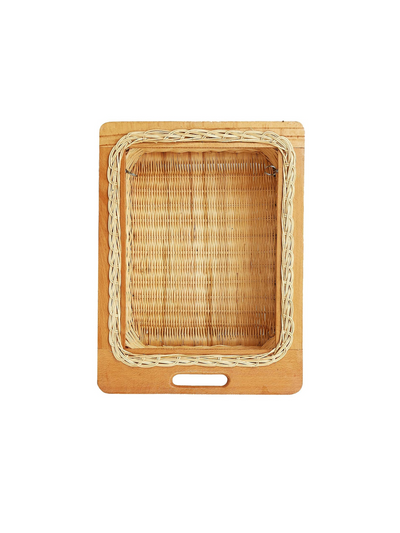
Wicker Basket 18 x 20 inch - Shanvika
Mid-size pull-out basket for 500 mm cabinets. Holds containers, utensils and everyday dry goods with room to breathe.
From Rs 3,299
Shop Now
Wicker Basket 20 x 20 inch - Siya
The all-rounder for 500 to 600 mm cabinets. Deep enough for mixed pantry storage, fruit and vegetables.
From Rs 3,500
Shop Now
Wicker Basket 22.5 x 20 inch - Samanvi
Large basket for 600 mm and wider cabinets. Built for bottles, oils and bulk onion-potato storage.
From Rs 3,100
Shop Now
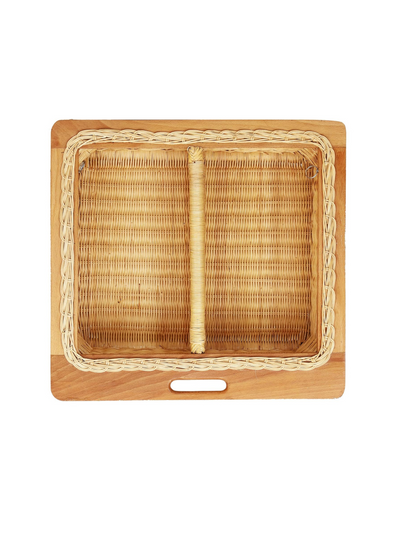
Wicker Basket with Double Partition 22.5 x 20 inch - Eliana
A divided potato basket for 600 mm cabinets. Keep onions and potatoes apart in one airy, good-looking basket.
From Rs 3,399
Shop NowHow do you decide for your own kitchen?
You do not have to pick one material for the whole kitchen, and you should not. The better approach is to decide cabinet by cabinet, based on what goes inside it. Run through these three questions for each storage spot.
Does this spot get wet or messy? Under the sink, near the dishwashing area, inside the fridge, anywhere with leaks or drips, go with washable plastic. It rinses clean and does not mind moisture. There is no point putting natural wicker somewhere it will stay damp.
Am I storing fresh produce or dry goods? Onions, potatoes, garlic, fruit, pulses and grains all keep better with airflow. This is wicker's home turf. The breathable weave stops the trapped moisture that makes produce spoil, so a wicker basket here pays you back in less waste.
Will I see this basket every day? Open shelves, glass-front cabinets, pull-out drawers you open in front of guests, these deserve the warm, handmade look of wicker. A bright plastic tub on display drags down a kitchen you spent good money designing. Hidden deep storage can be plastic if budget is tight; anything on show should be wicker.
Answer those three honestly and the split usually lands around 70 percent wicker, 30 percent plastic for a typical Indian modular kitchen, with plastic confined to the wet and hidden corners and wicker doing the visible, food-storing work. That is the hybrid most well-organised kitchens settle on, and it gives you the best of both materials instead of the compromises of just one.
Care by material: plastic vs wicker
Both materials last longer with the right care, and the routines are quite different. Here is how to look after each so you get full value from your kitchen baskets.
Caring for plastic baskets:
- Wash with soap and water whenever they get sticky or greasy.
- Dry fully before refilling to avoid trapped moisture and odour.
- Keep them away from direct heat and flame, as plastic warps and releases smell when hot.
- Replace any basket that has cracked, as sharp edges and brittle plastic are a hygiene risk.
Caring for wicker baskets:
- Dust regularly with a dry cloth or a soft brush to keep the weave clean.
- Wipe spills quickly with a barely damp cloth, then let the basket air-dry fully.
- Avoid soaking or leaving it in prolonged moisture, which can weaken the cane.
- A thin coat of clear wax once a year keeps the weave looking new and protects the fibres.