
Yes, with a caveat. Rattan is a solid palm vine, not hollow like bamboo, so it flexes under weight instead of snapping, and a well-made cane chair can serve for decades indoors. What shortens its life is damp, direct sun and plastic binding, not the material itself.
My grandmother's cane chair sat in the same corner of her Lucknow verandah for close to thirty years. It creaked a little, the armrests had gone honey-dark with age, and the seat had been re-woven once in the nineties. But it held every afternoon nap, every visiting aunt, every monsoon. So when people ask us whether rattan and cane furniture is durable, that chair is usually the first thing we think of.
Still, it's a fair question. You've probably seen a sagging wicker chair at a roadside stall, or read a review complaining that a rattan stool "broke in a year". The honest answer is that cane furniture durability depends almost entirely on how the piece was made and how it's kept. In this guide, we'll walk through the real pros and cons of rattan furniture, how long it actually lasts in Indian homes, and how to tell a piece that'll serve you for decades from one that won't survive two summers.
What is a rattan chair?
A rattan chair is a chair whose frame, seat or back is made from rattan: a climbing palm harvested as long solid canes, then steamed and bent into shape. Because rattan is solid rather than hollow like bamboo, it bends into a curve instead of cracking, which is what makes the classic rounded rattan silhouette possible (FAO, Dransfield, Taxonomy, Biology and Ecology of Rattan, retrieved 31 August 2026).
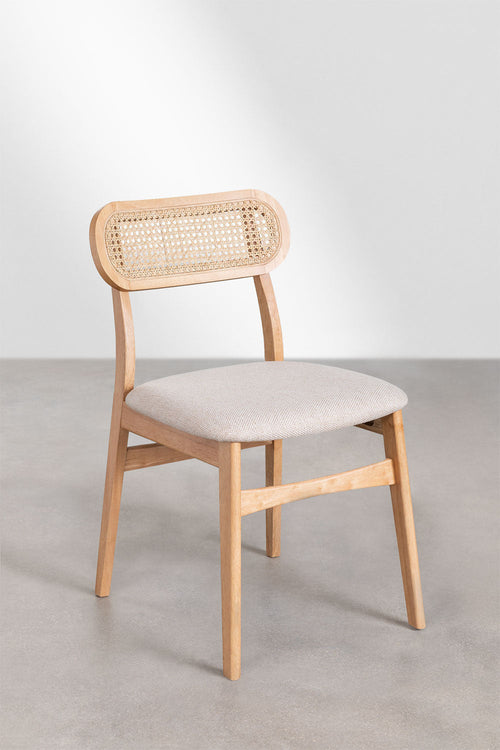
In Indian homes the term covers three different things, and they are not interchangeable. A solid rattan chair is built entirely from bent cane poles. A cane-webbing chair has a hardwood frame with a woven cane panel set into the seat or back, which is the familiar Indian dining chair. A wicker chair is any chair woven from natural fibre, whether rattan, bamboo, seagrass or water hyacinth. Wicker describes the weave, not the material, which is why a wicker chair may or may not be rattan at all.
How rattan and cane furniture is actually built
Understanding the construction explains the durability. Rattan is a climbing palm that grows as a long, solid vine. Unlike bamboo, it isn't hollow. The thick outer poles form the frame of a chair or table, bent into shape using heat and steam, then joined and bound. Because the pole is solid all the way through, it takes weight the way a young tree branch does: it flexes a little instead of snapping.
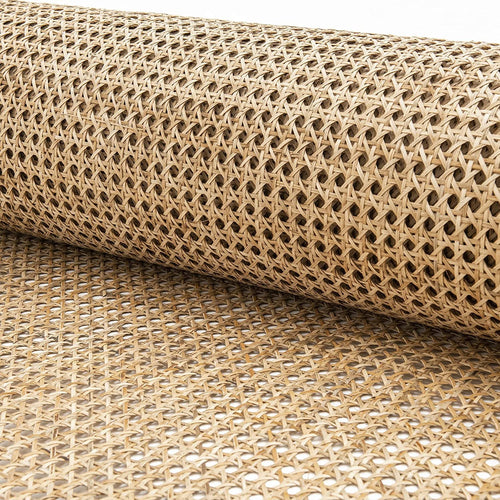
Cane is the outer skin of that same rattan vine, peeled into thin, glossy strips. Those strips get woven into the seats, backs, and webbing panels you recognise instantly, the classic hexagonal cane pattern on old Indian armchairs. So in one honest piece of furniture, you get a solid load-bearing skeleton plus a woven surface that breathes.
Here's the part most buyers miss: the weave is replaceable. A cane seat that sags after fifteen years of daily use can be re-woven by a local caner for a fraction of the price of new furniture. Try doing that with a particle-board sofa. This repairability is a quiet superpower, and it's why cane chairs from the 1970s are still doing their job in homes across India.
What are the pros of rattan and cane furniture?
1. Excellent strength for very little weight
A rattan armchair typically weighs a third of its hardwood equivalent, yet a properly built one comfortably carries an adult's full weight for years. That lightness matters in real life. You can shift a cane chair to the balcony for morning chai and back inside before the afternoon sun, without calling for help or scratching the floor.
2. It's repairable, not disposable
Loose binding can be re-wrapped. Sagging webbing can be tightened or replaced. A scratched frame can be lightly sanded and re-sealed. Most Indian cities still have cane repair artisans, and this local repair culture is exactly why cane furniture so often outlives the people-pleasing lifespan claims of flat-pack furniture.
3. It breathes through Indian summers
An open cane weave lets air pass right through the seat and back. On a 42-degree May afternoon, that's the difference between a chair you avoid and a chair you live in. Leather sticks, foam traps heat, but cane stays comfortable without a cushion if you want it to.
4. It's one of the most sustainable furniture materials
Rattan matures in 5 to 7 years, compared to decades for hardwood, and harvesting it doesn't kill the plant's root system. Handmade pieces also carry a tiny manufacturing footprint: no factory line, just an artisan, simple tools, and a natural vine.
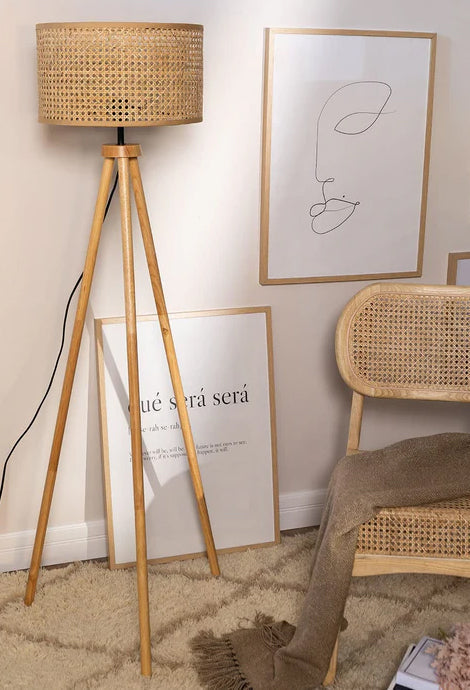
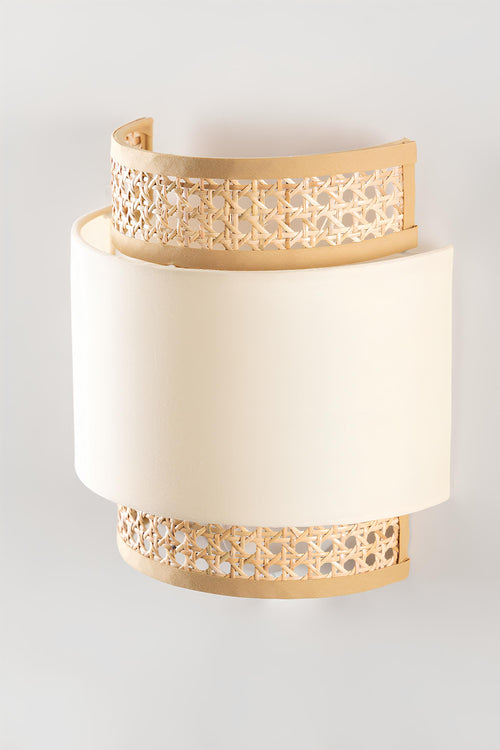
The same frame-and-weave construction shows up beyond chairs, and the durability logic carries over. A floor lamp built on a cane-webbing body, for instance, is essentially a small piece of furniture that happens to glow.

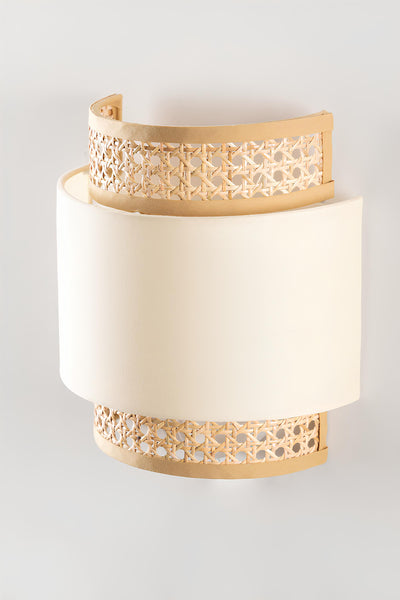
Rattan Cane Floor Lamp - Abriana
Built on a solid cane-webbing frame, the same construction that keeps cane chairs standing for decades.
From Rs 5,999
Shop NowWhat are the cons of cane and rattan furniture?
We sell this material for a living, and we'll still tell you it isn't perfect. Here's what genuinely goes wrong, and when.
1. Moisture and mould during monsoon, if neglected
Natural rattan absorbs humidity. Leave a cane chair pressed against a damp wall through July and August and you may find white mould spots or a musty smell by September. This is the material's biggest weakness in India. The fix is simple, keep pieces a few inches off damp walls, wipe them dry, and air them on sunny days, but it does need doing.
2. Direct sunlight fades and dries it out
A chair parked in a west-facing window for years will slowly bleach and turn brittle. Rattan likes bright rooms, not baking glass-front balconies. Rotate pieces occasionally or use a sheer curtain, and this stops being an issue.
3. Seats sag with heavy daily use
Woven cane seats stretch over time. After eight to fifteen years of daily sitting, a seat may develop a gentle dip. As we said above, re-weaving fixes this completely, but it's an honest cost to budget for once a decade or so.
4. Cheap imports have poisoned the reputation
A lot of what's sold online as "rattan" is thin PVC wrapped over a flimsy metal frame, or machine-bent low-grade poles with stapled joints. These crack, unravel, and rust within a couple of years, and then the reviews blame "rattan". When you're comparing prices, check whether the frame is solid natural rattan and whether the weave is hand-done. That gap explains most of the horror stories.
Rattan furniture pros and cons at a glance
| Factor | The good | The honest caveat |
|---|---|---|
| Lifespan | 10 to 20+ years indoors with basic care | 2 to 3 years for cheap synthetic imports |
| Strength | Solid poles flex under load instead of snapping | Stapled machine-made joints are the weak point |
| Weight | Easy to lift and rearrange alone | Very light pieces can tip if top-heavy |
| Monsoon | Fine in humidity if aired and kept off damp walls | Mould risk if left damp and ignored |
| Sunlight | Happy in bright rooms | Fades and turns brittle in direct daily sun |
| Repairs | Seats re-woven, bindings re-wrapped locally | Re-weaving is an occasional cost, roughly once a decade |
| Sustainability | Fast-growing vine, low-impact handcraft | Only if it's genuine natural rattan, not PVC |
How durable is each type of rattan and cane product?
Not every woven piece faces the same stress, so lifespans differ by category. Chairs and daily-use seating work hardest: expect 10 to 20 years, with a possible re-weave along the way. Cane beds and headboards do even better because nobody sits on a headboard; 20 years plus is normal. Tables and shelves mostly carry static weight, so the frame easily outlasts the finish.
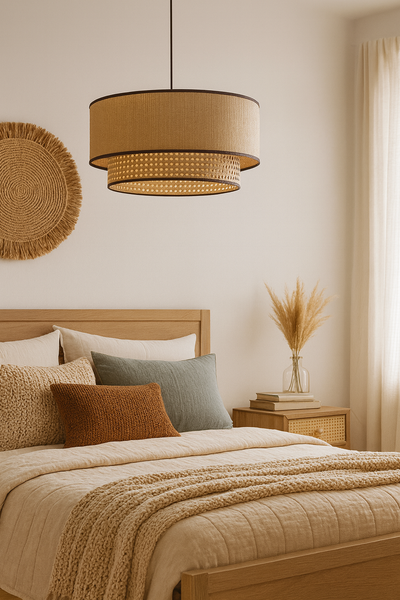
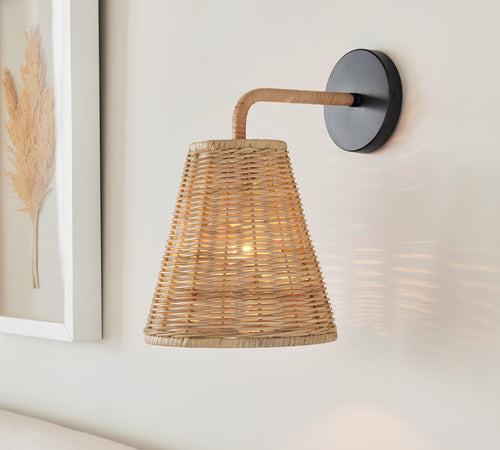
Decor pieces are the low-stress champions. Mirrors, lamps, baskets, and planters carry little or no load, so a woven frame there can genuinely last a lifetime if it stays dry. In our experience, a bamboo mirror frame or a rattan lampshade fails from accidents, not age.

A load-free bamboo frame means this is the kind of woven piece that quietly lasts decades.
From Rs 19,890
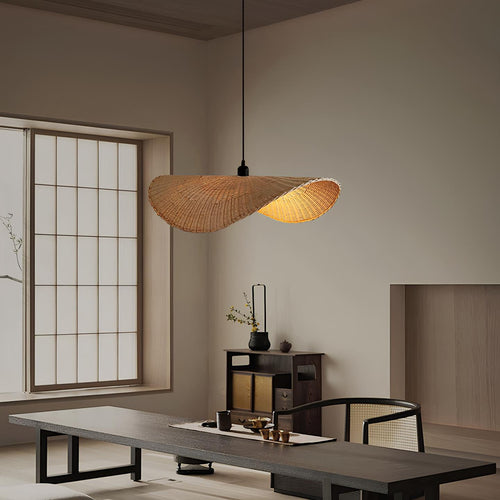
Shop NowHanging and table lighting sits in the same easy category. The frame only has to hold its own weight, so the weave stays taut for years, and warm bulb light actually flatters the material as it ages into a deeper honey tone.

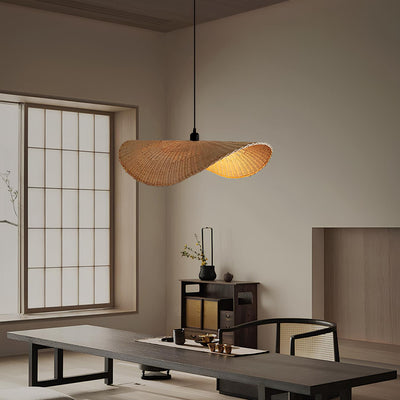
Rattan Hanging Light - Shanaya
Handwoven rattan with zero load to carry, so the weave stays tight year after year.
From Rs 1,899
Shop NowCare habits that double the lifespan
None of this is hard, and most of it takes minutes a month. Dust weekly with a dry cloth or a vacuum brush so grime doesn't grind into the weave. Once a month, wipe with a barely damp cloth and dry immediately. Keep furniture a hand's width away from damp walls, especially during monsoon, and give pieces an hour of indirect airing on sunny days after humid spells.
Twice a year, rub in a little linseed or coconut oil on natural finishes to stop the fibres drying out. Tighten anything that feels loose the day you notice it, because a wobbly joint takes stress it wasn't designed for. And use coasters on cane tabletops; water rings are the one stain that's hard to undo.
Handmade construction also gives you a head start here. When an artisan bends and binds each joint by hand, the frame starts life tighter than anything a staple gun produces, and every year of care compounds on that base.

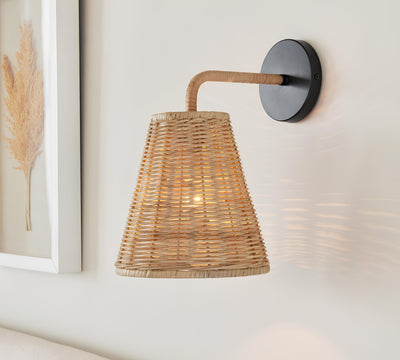
Hand-bound joints, no staples, the small construction details that decide how long woven pieces last.
From Rs 1,899
Shop NowWhen should you NOT choose rattan or cane?
Honesty cuts both ways. Skip natural rattan for uncovered outdoor spaces that get direct rain; no amount of care survives a terrace monsoon, and you'd want treated synthetic weave there instead. Think twice if the piece will live in permanent direct sun behind west-facing glass. And if your home stays damp year-round, say a ground-floor flat with seepage issues, choose cane decor over cane seating, since small pieces are easier to air out.
Rattan is also not the right call if you want a zero-maintenance, never-touch-it material. It asks for ten minutes of attention a month. In exchange, it gives you decades. Most people find that a fair trade; a few won't, and that's fine.