
There's a particular morning smell that means Onam is close: wet marigold and chrysanthemum petals in newspaper bundles, brought home before breakfast so the pookalam can go down while the floor is still cool. Whether you grew up in Kerala or you're keeping the tradition alive in a Bengaluru or Dubai flat, that ritual of flowers on the floor is where the festival really begins.
If you're hunting for Onam decoration ideas at home this year, here's the happy truth: Onam is the easiest Indian festival to decorate for, because its whole aesthetic is natural. Flowers, banana leaves, brass, cane, and lamplight. No plastic banners required. Onam 2026 falls on Wednesday, August 26, which is Thiruvonam, and the ten days from Atham onwards give you a built-in schedule to decorate gradually instead of in one exhausting weekend. This guide works through the home zone by zone, pookalam first.
The pookalam: your centrepiece, ten days in the making
Everything else is optional; the pookalam is Onam. Traditionally it starts on Atham as a small circle of yellow flowers and gains a ring and new colours each day, reaching its largest, most intricate form on Thiruvonam. Even if you can't manage all ten days, laying one good pookalam on the final weekend keeps the soul of the festival intact.
1. Pick a forgiving design
Concentric circles are the classic for a reason: they look rich, need no drawing skill, and hide small mistakes. Chalk a set of rings using a thread tied to a pin at the centre, then fill ring by ring. Save intricate motifs like Onathappan figures or boat designs for when you've done a few years of circles.
2. Choose flowers that hold their colour
Marigold (orange and yellow), chrysanthemum (white and purple), globe amaranth, and rose petals form a reliable base palette. Thumba, the small white flower traditional to the first days, is lovely if you can find it. Buy loose flowers by weight, not garlands, and pluck petals fresh each morning; whole flowers wilt faster than petals laid tight.
3. Small-space pookalam ideas
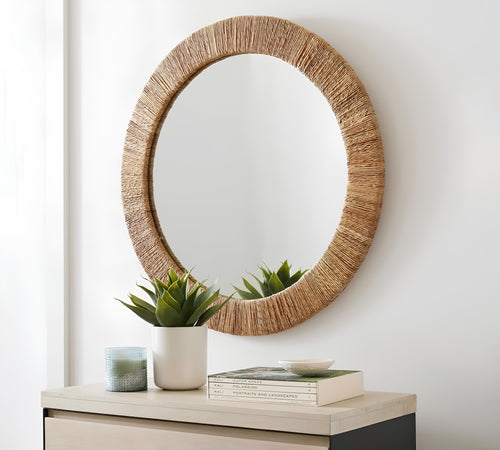
No verandah? Lay a two-foot pookalam on a tray or a wide brass urli by the front door, or float petals and a diya in a water-filled urli for an apartment-friendly version that survives ceiling fans. A round woven tray also makes a neat, movable pookalam base that you can shift out of the way at night and continue the next day.

A movable base for a small daily pookalam, and a petal-and-flower carrier all ten mornings.
From Rs 799
Shop NowHow do you decorate the entrance for Onam?
The entrance frames the pookalam, so keep it clean and golden. A nilavilakku, the tall brass oil lamp, lit beside the flower carpet is the single most Onam image there is. Place it on the right of the door or beside the pookalam, light it at dusk through the festival days, and you've done the essential thing.
Around that anchor, add what suits your space: a string of marigold or cotton torans on the door frame, banana leaves or small plantain stems flanking the entrance if you can source them, and a row of small diyas along the doorstep for Thiruvonam evening. Kasavu fabric, the cream-and-gold of Kerala saris, makes a beautiful table runner or door-side drape and instantly reads as Onam rather than generic festive.
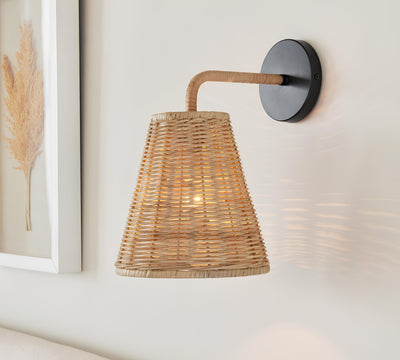
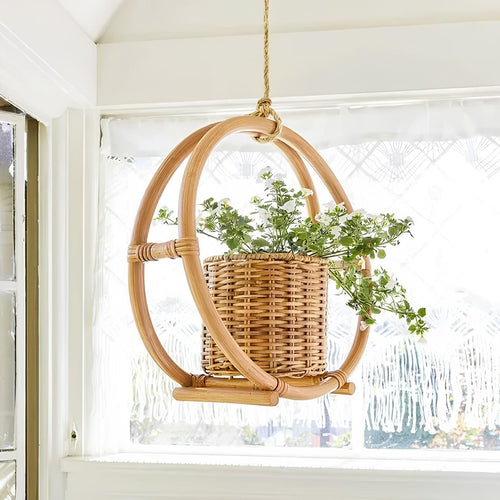
Overhead or wall lighting matters more than people think, because the pookalam and brass only glow if the light is warm. Swap any harsh white bulb near the entrance for a warm one for the festival week, and consider hanging planters with ferns or money plant near the door to echo Kerala's everywhere-green.

Rattan Hanging Planters, Set of 2 - Asmee
Trailing green by the doorway brings that Kerala courtyard feeling to any city flat.
From Rs 2,499
Shop NowThe sadya table: where Onam actually happens
Ask anyone their favourite part of Onam and they'll say the sadya, the grand banana-leaf feast of two dozen dishes. The table deserves as much decoration thought as the doorway, and the formula is simple: banana leaf, brass, and woven texture.
Lay fresh banana leaves as the plates, tips pointing left, on a plain cotton or kasavu runner. Keep the centre of the table low so people can see and pass: a small urli with floating petals, one or two brass diyas, and that's enough. Serve and carry in natural materials; woven trays for papadam, banana chips, and sharkara upperi keep the palette warm and honest, and they manage the chaos of serving twenty dishes in sequence.

Rattan Serving Tray with Handles - Dhara
Sturdy handles and a warm weave, made for ferrying sadya dishes from kitchen to banana leaf.
From Rs 1,399
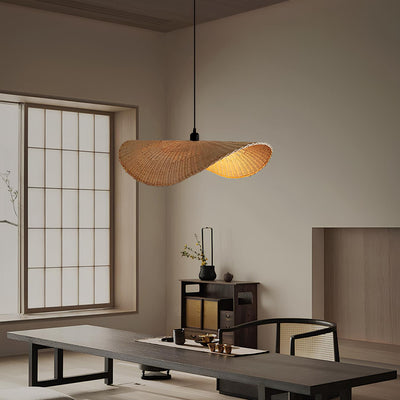
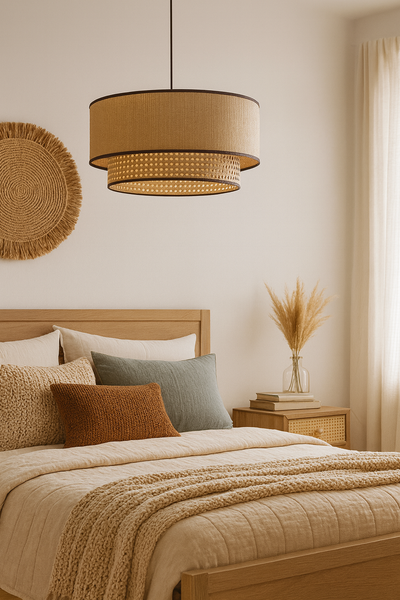
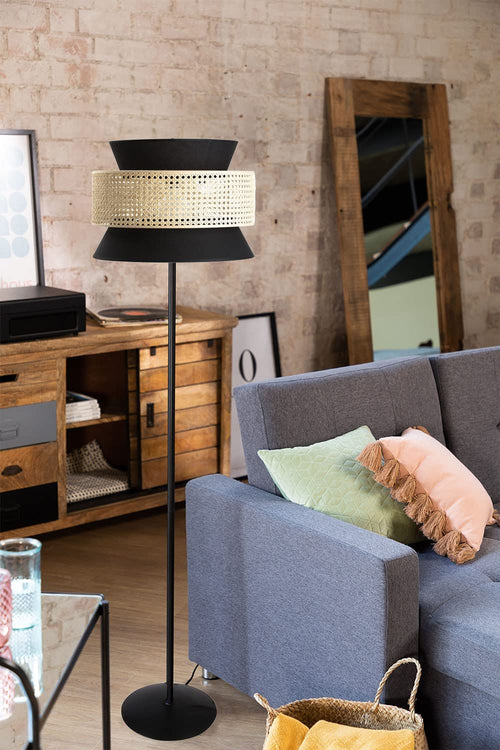
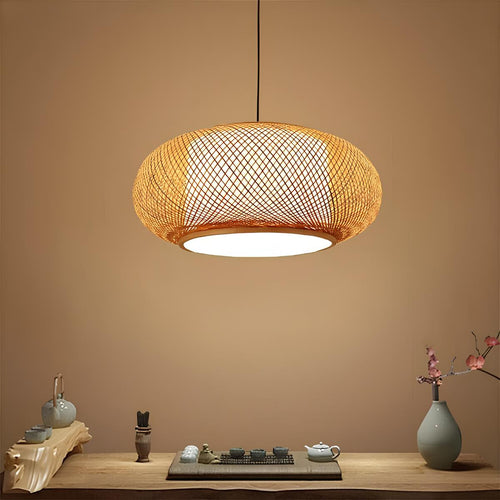
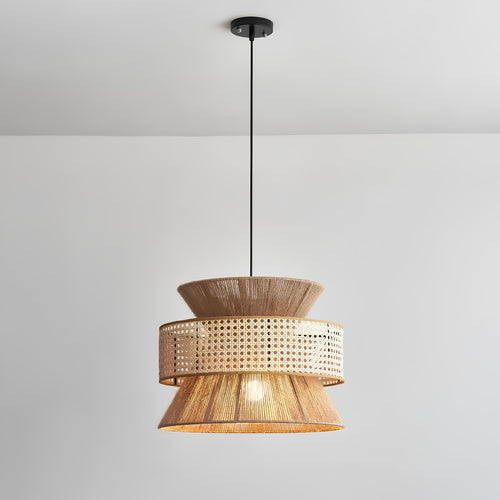
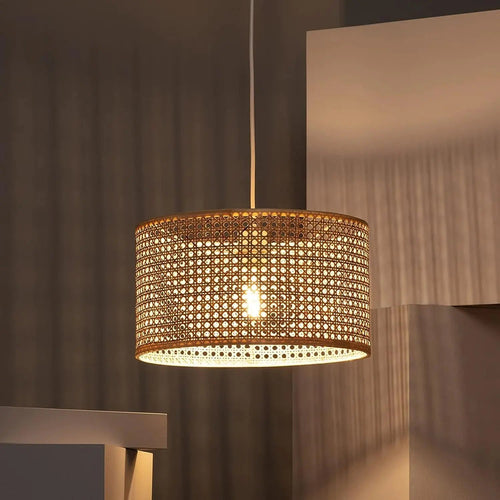
Shop NowThen look up. If there's one permanent upgrade that transforms every festive meal you'll ever host, it's warm light directly over the dining table. A woven pendant hung low over the sadya spread turns banana leaves and brass into a glowing scene, and it keeps earning its place at every dinner after the festival.

Low, warm light over the sadya table, and over every family dinner for years afterwards.
From Rs 2,899
Shop NowWhy cane and natural textures suit Onam so well
Onam's visual language comes from the Kerala tharavadu: wooden pillars, woven mats, coir, brass, and courtyards full of green. That's why plastic streamers always look slightly wrong against a pookalam, and why cane, seagrass, and bamboo look immediately right. They share DNA with the pulpaya mats and coir of a traditional Kerala home.
You don't need to redecorate. Swap a few visible surfaces for natural texture during the festival week: a woven basket for fruit on the counter, a cane tray under the diyas, jute or cotton runners instead of shiny table mats, lidded seagrass baskets to hide the everyday clutter that photobombs festival pictures. In our experience, hiding clutter does more for festive photos than adding decor ever does.

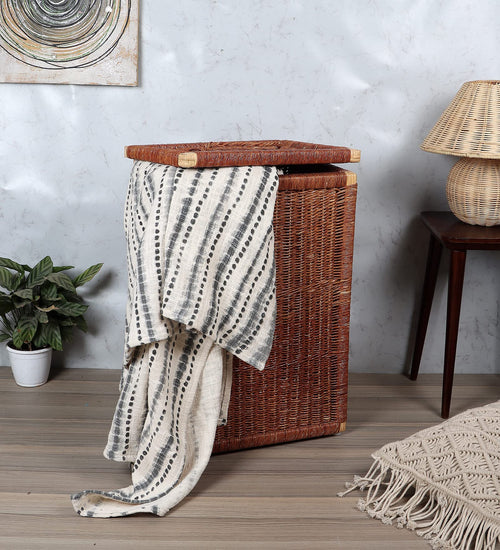
Seagrass Storage Basket with Lid - Gauri
Swallows the everyday clutter before guests arrive, in a texture that belongs beside brass and banana leaf.
From Rs 799
Shop NowBalcony and veranda: a little Kerala courtyard
If you have a balcony, it's your stand-in for the tharavadu courtyard. Keep it simple: a small secondary pookalam or a petal urli, potted palms or ferns clustered in one corner, a floor mat and cushions for evening card games, and warm fairy lights or a single lantern rather than colour-changing strips. If the Onam week weather cooperates, this becomes the best seat in the house for payasam after the sadya.
A swing adds the final Kerala touch if you have the space and mounting for it; the oonjal, the swing, is itself an Onam tradition, with swing songs woven into the festival's folklore.
Onam decoration plan by zone
| Zone | Core idea | Simple version |
|---|---|---|
| Entrance floor | Multi-ring pookalam, grown from Atham to Thiruvonam | Single-ring petal circle or urli pookalam on a tray |
| Door and lamp zone | Nilavilakku, marigold toran, doorstep diyas | One brass lamp plus a ready-made toran |
| Dining table | Banana-leaf sadya, kasavu runner, woven trays, low pendant | Banana leaves, one urli with petals, two diyas |
| Living room | Warm bulbs, cane baskets, cotton throws, hidden clutter | Swap two harsh bulbs for warm ones |
| Balcony/veranda | Plants, mat seating, lantern light, mini pookalam | Fairy lights and one cluster of pots |
| Gifting corner | Trays and baskets packed with sweets and chips | A lined tray of banana chips and payasam mix |
Small Onam gift ideas that feel like Onam
Onam gifting is traditionally practical: new clothes (onakkodi), sweets, and things for the home. If you're visiting family for the sadya or sending something to homesick friends outside Kerala, woven pieces hit the right note. A seagrass tray packed with banana chips and a payasam kit, a lidded basket with a small brass diya tucked inside, or a pair of hanging planters for a friend's new flat all say festival without saying disposable.
The trick is to gift the container as part of the gift. A basket or tray that held sweets this Onam becomes their fruit basket or serving tray for the rest of the year, and every use is a small reminder of who gave it.
Keep the decor working after Thiruvonam
Here's the quiet advantage of decorating Onam the natural way: almost nothing gets thrown out. The flowers compost. The banana leaves go to the plants or the bin, guilt-free. And everything else, the trays, baskets, lamps, planters, and pendants, simply reverts to daily duty. The pendant lights family dinners through the year. The trays serve tea when relatives visit for Diwali two months later. The baskets keep organising the house through every season.
Compare that with a box of plastic decorations that has to live in the loft for eleven months. Decorating with things the house already needs works out cheaper per year, and it sits closer to what Onam has always celebrated anyway: abundance from the earth, shared at a table.