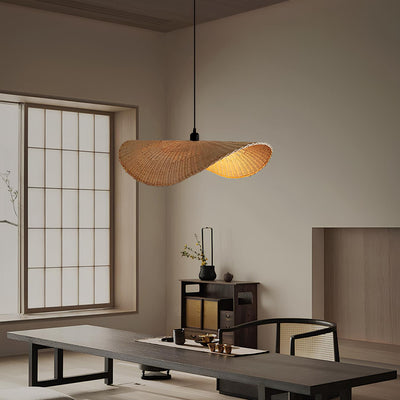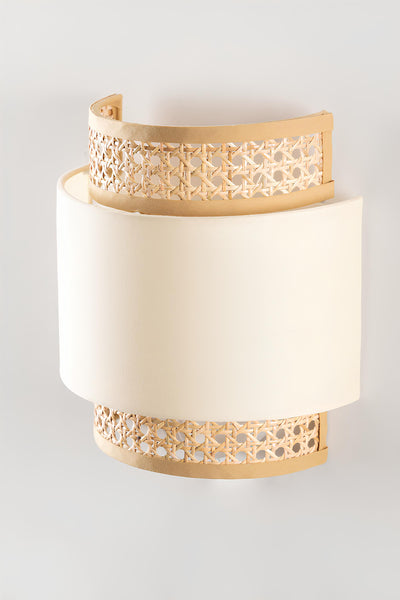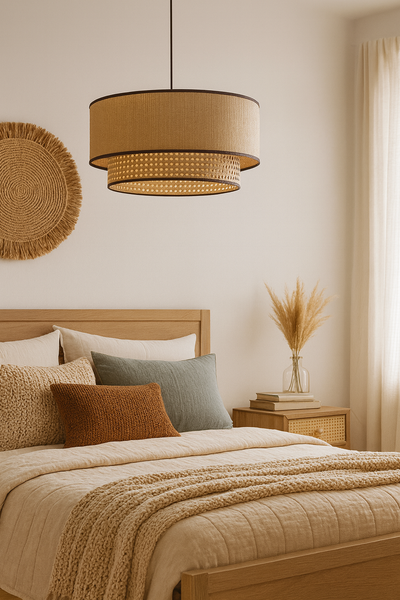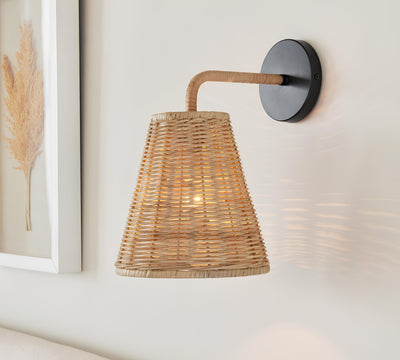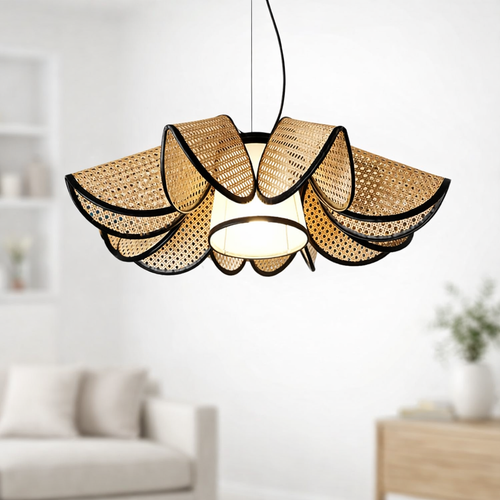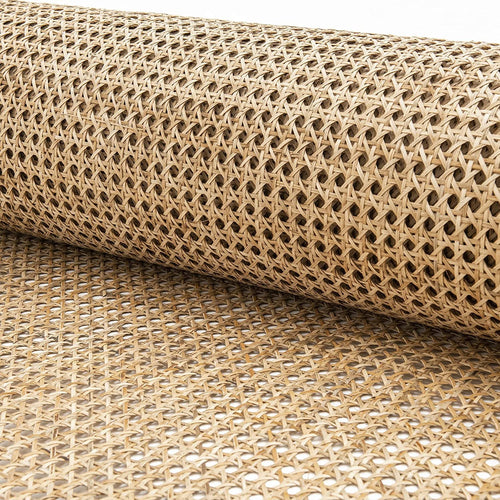

Match the material to the plant. Rattan and cane hangers suit trailing plants like pothos and ferns in a living room, window or reading corner. Bamboo handles larger leafy plants and herb pots on a balcony or kitchen window. Wicker works best for mixed decorative clusters in a corner.
There is a simple kind of magic to a plant that floats. A trailing pothos spilling from a window, a fern swaying near the balcony rail, a cluster of little pots hanging in a sunny corner. Hanging planters let you bring the garden indoors without giving up a single inch of floor or table space, and that makes them perfect for Indian homes where every square foot already has a job to do.
This guide walks you through everything you need to choose and hang plant hangers with confidence: the materials worth knowing (rattan, cane, bamboo, wicker, jute and macrame), where each type hangs best, how to mount a planter safely into a ceiling, and the styling ideas that turn a bare wall into a living one. At Akway, every hanging planter is hand-woven by Indian artisan families from natural materials, so you get texture and warmth that a plastic pot can never match.
Quick answer: which hanging planter is right for you
Different rooms and different plants ask for different hangers. Here is how the popular natural materials compare, and where each one earns its place in an Indian home.
| Material | Best for | Where to hang |
|---|---|---|
| Rattan / cane | Trailing indoor plants, ferns, pothos | Living room, window, reading corner |
| Bamboo | Larger leafy plants, herb pots | Balcony, kitchen window, verandah |
| Wicker | Mixed clusters, decorative greenery | Corner cluster, hallway, study nook |
| Jute / macrame | Lightweight pots, air plants, succulents | Bedroom, boho wall, sunny ledge |
If you want one safe starting point, a rattan or cane hanging planter near a bright window suits almost every home. It holds a trailing plant beautifully, takes indirect light well, and works with boho, Japandi and modern Indian interiors alike.
Know your materials before you buy
Natural hanging planters are not all the same. Each fibre has a feel, a weight and a sweet spot.
- Rattan and cane: strong, flexible and finely woven, this is the all-rounder. It holds a real plant pot securely, ages to a warm honey tone, and looks equally at home holding a fern or a flowering plant.
- Bamboo: sturdier and more open in weave, bamboo handles heavier, leafier plants and shrugs off a semi-covered balcony. It brings a slightly more rustic, garden feel.
- Wicker: a catch-all term for woven natural fibre, wicker planters are great for grouping several small pots into a soft, textured cluster.
- Jute and macrame: knotted rope hangers are the lightest option, built for small pots, succulents and air plants. They lean fully into the boho look and suit bedrooms and reading corners.
Whatever the fibre, the rule is the same: match the weight of your potted plant to the strength of the hanger and the mount. A small succulent can swing from a jute cord, but a heavy ceramic pot full of damp soil needs a solid rattan or bamboo cradle and a proper ceiling hook.
Where should you hang each type of planter?
Half of getting a hanging planter right is simply putting it in the correct spot. The light a plant gets, the weight it carries, and how often you will reach it all change with the room. Here is a quick map of which natural planter suits which corner of an Indian home.
| Spot | Light | Best planter |
|---|---|---|
| Living room window | Bright, indirect | Rattan or cane with a trailing plant |
| Balcony rail or ceiling | Bright, semi-covered | Bamboo for leafy or flowering plants |
| Kitchen window | Direct morning sun | Lightweight wicker for herbs |
| Bedroom or reading nook | Soft, filtered | Jute or macrame with a small pot |
| Empty living corner | Medium, indirect | Wicker and cane cluster at mixed heights |
Notice the pattern: the brighter and heavier the situation, the sturdier the material. Save the delicate jute and macrame hangers for light pots in gentle light, and let rattan and bamboo do the load-bearing work near windows and balconies.
How do you hang a planter safely?
A falling planter is messy and dangerous, so the mount matters as much as the plant. Here is how to do it right, the first time.
- Pick your spot near a window or balcony edge where the plant gets the light it needs, and where you have head clearance to walk underneath.
- Find a ceiling joist or a solid concrete slab. Tap along the ceiling: a hollow sound means a false ceiling that cannot take weight, a dull solid sound means structure.
- For a concrete ceiling, drill a hole and fix a wall plug rated for your planter's loaded weight, then screw in a sturdy hook or eye bolt.
- For a wooden ceiling or beam, drive the hook directly into the joist, never into thin board alone.
- Hang the empty planter first and give it a firm tug to test the mount before you add the pot.
- Add your potted plant, step back, and adjust the cord or chain length so the plant sits at eye level or just above.
Styling ideas for every room
The fun part. Here are four ways to use hanging planters that work especially well in Indian homes.
Balcony cascade
Hang three bamboo or rattan planters at staggered heights along a balcony rail or ceiling, with trailing plants like money plant or string of pearls spilling down. The layered cascade softens hard railings and turns even a small balcony into a green pocket. Bamboo is the pick here for its tolerance of bright, semi-covered outdoor light.
Window herb garden
A row of small hanging planters in a sunny kitchen window keeps mint, curry leaf, basil and coriander within arm's reach while you cook. Choose lightweight pots with liners so you can water at the sink. Fresh herbs and a warm woven texture make even a busy Indian kitchen feel a little more like a garden.
Corner cluster
Group three to five wicker and cane hanging planters at different heights in an empty corner of the living room or study. Mix leaf shapes, broad fern fronds against fine trailing vines, for a gallery-wall effect made of plants. A corner cluster fills awkward dead space and draws the eye upward, making the room feel taller.
Macrame wall feature
For a bedroom or reading nook, a knotted macrame or jute hanger holding a single statement plant becomes a piece of textile art in its own right. Pair it with a sunny ledge, a few books and warm light for a boho corner that feels calm and personal.
Hanging planters to bring home
These are some of our most loved handwoven hanging planters and versatile plant pots, each made by Indian artisan families from natural rattan, cane and bamboo.

Rattan Hanging Planter - Ishita
A finely woven rattan hanging pot that cradles a trailing plant beautifully by a bright window or reading corner.
From Rs 1,899
Shop Now
Cane Hanging Planters Set of 2 - Asmee
A matched pair for an instant corner cluster or a balcony cascade, woven from natural cane.
From Rs 2,499
Shop Now
A wall-mounted rattan and bamboo planter built for balconies and verandahs, where it greens up bare walls and railings.
From Rs 1,899
Shop Now
Rattan Planter with Stand - Ananya
Prefer to skip the drill? This standing rattan planter in five sizes gives you the same woven look on the floor.
From Rs 1,999
Shop Now
A roomy cane plant pot for indoor or outdoor use, ideal as the anchor of a layered green corner.
From Rs 2,799
Shop NowHow to care for natural hanging planters
A woven planter is an artisan-made piece, and a little care keeps it looking new for years.
- Always use a plastic liner or saucer inside, so water and damp soil never touch the natural fibre directly.
- Lift the inner pot out to water it, let it drain fully, then return it once it stops dripping.
- Dust the weave regularly with a dry cloth or soft brush to keep it clean.
- Keep rattan and cane planters out of constant direct rain; bring outdoor pieces under cover during heavy monsoon.
- A thin coat of clear wax or lacquer once a year protects the fibre and refreshes its colour.
- If the weave dries out, a light mist of water now and then keeps it supple and prevents cracking.
Choosing the right plant for a hanging planter
Hanging planters look their best with plants that trail, drape or stay light. Money plant and pothos are the easy heroes, almost impossible to kill and happy to spill over the edge. String of pearls and string of hearts give that fine, cascading look. Ferns add lush volume for a shaded corner, while succulents and air plants suit the lightest jute and macrame hangers. For a kitchen window, herbs like mint, basil and coriander earn their keep. Match the plant's light needs to the spot, keep the loaded weight sensible, and your hanging garden will thrive.
A few practical pointers help your plants settle in. Trailing plants prefer their soil to dry slightly between waterings, so a planter that drains well, with that all-important liner, beats one that traps moisture. In hot Indian summers, plants near a sunny window may need watering more often, while monsoon humidity means you can ease off. Turn each hanging pot a quarter every week or two so the plant grows evenly toward the light rather than leaning to one side. And do not crowd a single planter: one healthy trailing plant looks far better cascading freely than three squeezed into one pot.
Why natural beats plastic for hanging planters
It is tempting to grab a cheap plastic hanging pot, but natural woven planters earn their place for good reasons.
- Texture and warmth: hand-woven rattan, cane and bamboo bring a soft, organic look that plastic simply cannot fake, and it flatters real plants instead of competing with them.
- Eco-friendly and handmade: natural fibre is renewable and biodegradable, and every piece supports Indian artisan families rather than a factory mould.
- Breathable: the open weave lets air move around the inner pot, which helps roots stay healthy when paired with a liner.
- Ages gracefully: good rattan deepens to a honey tone over time, while plastic fades, cracks and yellows in the sun.
- Style that lasts: woven planters suit boho, Japandi, coastal and modern Indian interiors, so they stay relevant as your decor evolves.