
One filter sorts every return gift: will your guest use this within a week of carrying it home? A tray gets used the next time chai is made. A basket is filled that same evening. A photo-printed mug never is, and everybody involved quietly knows it.
Open almost any kitchen cupboard in an Indian home in December and you'll find them: two untouched boxes of dry fruit, a plastic idol still in its bubble wrap, and a candle shaped like a swan. That is the quiet fate of most return gifts. If you're hunting for Diwali return gift ideas that guests will actually carry home happily and use, the answer isn't spending more. It's choosing things that earn a place in someone's daily life instead of a place in their regifting pile.
This guide is for anyone hosting this season: the taash party with your college gang, the Lakshmi pooja with the extended family, or the housewarming that got scheduled two weeks before Diwali because the pandit said the muhurat was good. We'll be honest about budgets too, because a return gift for 40 guests is a very different problem from one for 8.
What makes a return gift memorable instead of binned?
Run every idea through one filter: will the guest use this within a week of taking it home? A serving tray gets used the next time chai is made. A basket gets filled the same evening. A photo-printed mug with your family's picture on it gets used never, and everyone involved knows it.
The second rule is that one good thing beats three fillers. A hamper stuffed with a keychain, a scented candle and a plastic box feels like it was assembled to hit a price point. A single well-made object, even a modest one, feels like it was chosen. Guests can tell the difference in about four seconds.
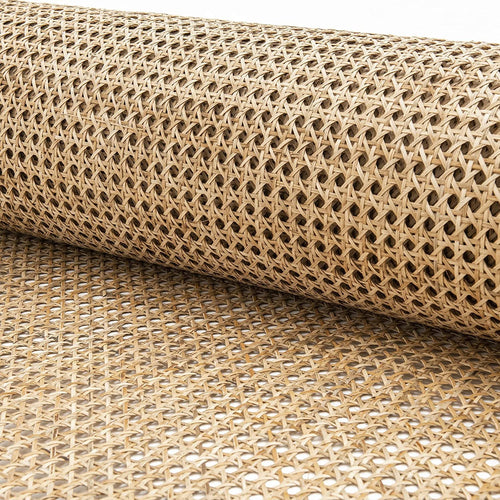
Materials matter more than most hosts realise. Plastic and glitter-heavy items read as disposable because they are. Terracotta, cotton, palm leaf, seagrass and cane read as considered, even at low prices, because they age well and belong in real homes. That's the whole trick, honestly. Everything below is just that principle applied at different budgets.
Diwali return gift ideas under Rs 200, done well
A straight word about this budget. At under Rs 100 or Rs 200 per guest, handmade woven decor isn't realistic, and any website promising it is selling you something flimsy. What works at this price is your local market, shopped with a little intention.
1. Hand-painted diyas, but a proper set
Not the loose ones sold by the dozen in a polybag. Buy plain terracotta diyas early, and either pick painted ones from a self-help group stall or paint them at home with the kids the weekend before. Six diyas tied in a cotton square with jute string costs under Rs 150 and looks like triple that.
2. Small palm-woven accents
Most city markets and craft exhibitions stock palm-leaf coasters, hand fans and small woven boxes in the Rs 60 to Rs 150 range. They're light, they don't break in a handbag, and they photograph beautifully on a guest's shelf. Buy from one stall in bulk and the seller will usually round the price down.
3. A potted sapling
Tulsi, jade, money plant or a marigold seedling in a plain terracotta pot. Nurseries will do bulk orders happily at Rs 80 to Rs 150 a pot. A plant is the rare return gift that grows more valuable after the party. For a pooja gathering especially, tulsi feels right in a way no gadget ever will.
4. Something edible, made or chosen well
A small jar of homemade chivda, good chai leaves from a local blender, or besan laddoos packed in a steel dabba the guest keeps. Edible gifts never get binned. They get eaten, which is its own kind of success.
The Rs 500 to 1,000 tier: for card parties and close family
This is where return gifts get genuinely good, and it only works because the guest list is small. A Diwali card party of 8, a dinner for two or three close families, the cousins who come over every year. For 6 to 12 people, Rs 799 per head is the same total spend as Rs 200 across 40 guests, and the gift is something people keep for years.
Handmade woven pieces are the sweet spot here. They're useful from day one, they suit every home from a 1BHK to a farmhouse, and because artisan families weave each one, no two guests get an identical machine-made object. A seagrass tray or a lidded basket is the kind of return gift people mention the next time they see you.

A hand-woven kauna grass tray your card-party guests will use for chai the very next morning.
From Rs 799
Shop Now
Seagrass Storage Basket with Lid - Gauri
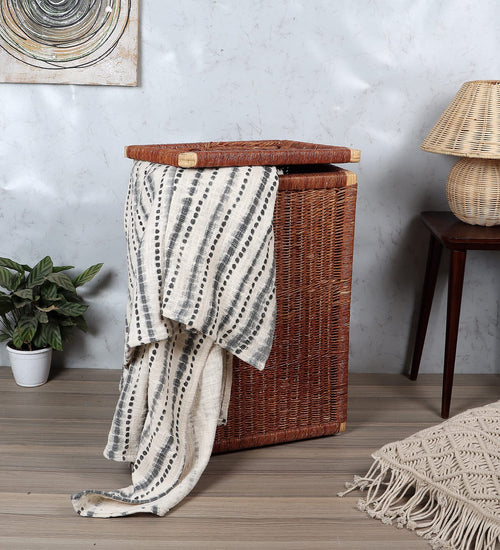
A lidded desk basket that swallows the odds and ends every household collects; a return gift that tidies someone's home.
From Rs 799
Shop NowIf your group skews slightly larger, mix and match within the tier so gifts feel individual rather than issued. Two or three tray designs, a couple of basket sizes. Guests comparing their gifts on the way out is a good sign, not a problem.

Seagrass Storage Basket with Lid - Ishani
A slightly roomier lidded basket, perfect when you want the two closest families on your list to get something a notch above.
From Rs 899
Shop NowReturn gift ideas for housewarming and pooja gatherings
A housewarming return gift carries a slightly different meaning. Guests came to bless your new home, so the return gift works best when it's something for theirs. Small woven baskets, a diya set, or a sapling all fit. If the gathering is intimate, a serving tray is the most-used object you can hand over, because every Indian home serves guests, and every home is short one good tray.

Rattan Serving Tray with Handles - Dhara
Sturdy handles and a warm rattan weave; the housewarming return gift that gets used every time they host.
From Rs 1,399
Shop NowFor a Lakshmi pooja or Satyanarayan katha at home, keep the return gift rooted in the ritual: a tulsi plant, a diya set with a small packet of cotton wicks and oil, or a lidded basket the guest can use for their own puja shelf, for agarbatti boxes, match sticks and the kumkum that never has a fixed home. Prasad travels alongside, not instead.
What about kids' return gifts?
Skip the cartoon-themed plastic. It's the single most binned category of return gift in the country. Kids do better with things they can do something with: a sketchbook and a good set of crayons, a small clay piggy bank, or a little plant they're put in charge of watering. If the party is mostly children, budget Rs 100 to 150 per child and spend it on one decent thing rather than a pencil box of five flimsy ones.
Which gift tier suits which occasion?
The honest math of return gifting: the budget per guest should move opposite to the guest count. Big party, modest gift done tastefully. Small gathering, one genuinely good piece.
| Occasion | Typical guest count | Gift tier that works |
|---|---|---|
| Big Diwali party or society do | 25 to 50 | Under Rs 200: diya sets, palm-woven accents, saplings |
| Lakshmi pooja at home | 10 to 20 | Rs 150 to 500: tulsi plants, diya-and-wick sets |
| Diwali card party | 6 to 12 | Rs 799 to 1,000: seagrass trays, lidded baskets |
| Housewarming function | 8 to 15 | Rs 500 to 1,399: baskets, serving trays |
| Close family dinner | 4 to 8 | Rs 1,000 plus: a lidded basket or a small lamp |
Presentation: the basket-as-hamper trick
If you're building hampers for a shortlist of special guests, here's a move that quietly doubles the gift: use a woven basket as the hamper itself. Line a lidded seagrass basket with a cotton napkin, tuck in dry fruits, a diya set and a small mithai box, and skip the cellophane entirely. The packaging is the gift. Long after the kaju katli is gone, the basket lives on a shelf holding something.
For simpler gifts, stay with natural wrapping: brown paper, cotton pouches, jute string, a sprig of dried flowers if you're feeling fancy. It costs less than shiny laminated wrap and looks warmer under Diwali lights.
When should you order?
Diwali 2026 falls on Sunday, November 8. Work backwards from that. Handmade woven pieces should be ordered by mid-October, because artisan-made stock runs out in the exact two weeks everyone decides to shop, and courier networks slow down closer to the festival. Local market shopping for diyas, plants and packaging is best done seven to ten days ahead, before prices climb and the good painted diyas are picked over.