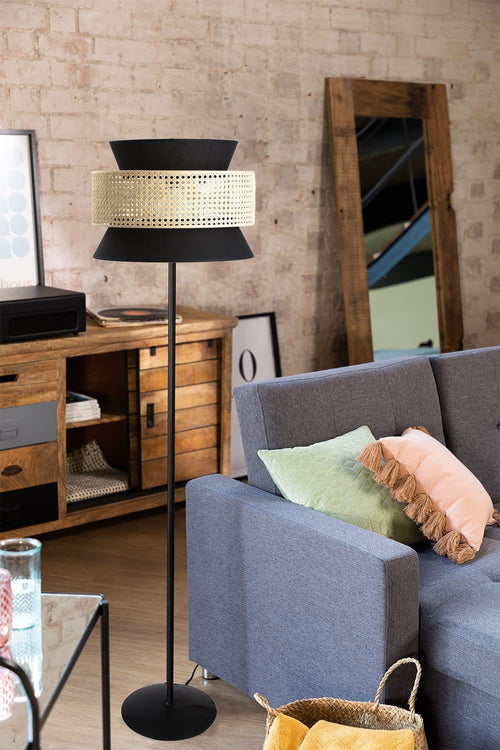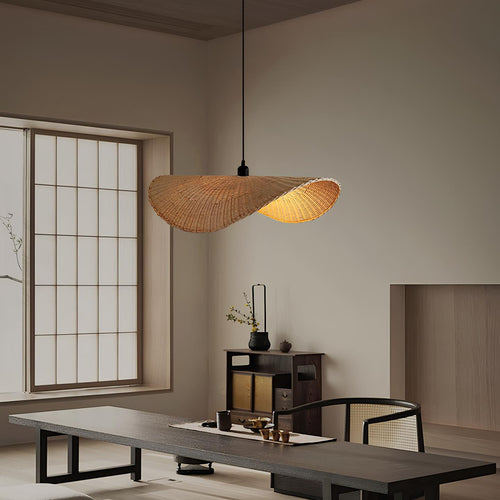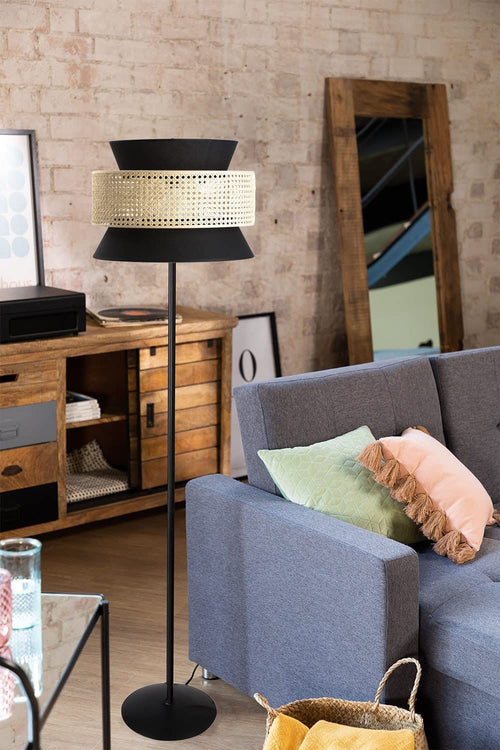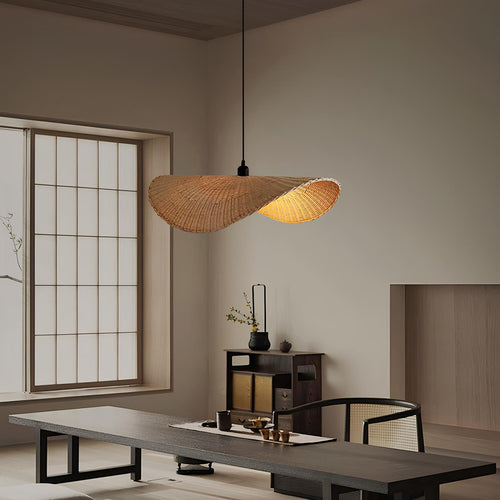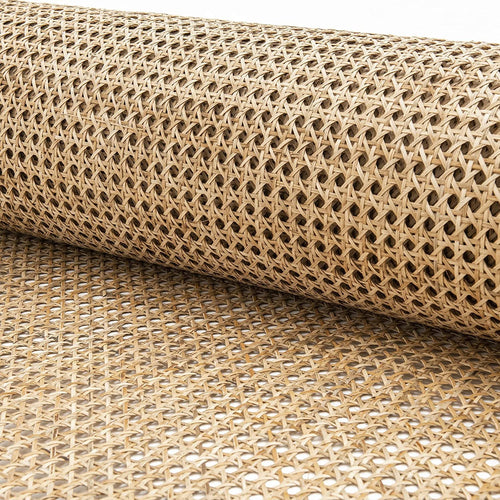

Five things carry a natural nursery, whatever the size of the room. Soft warm lighting you can manage a night feed by without jolting the baby awake. Woven storage for toys. Gentle textures underfoot. Non-toxic finishes. And enough restraint that the room grows with the child.
A nursery does not need to be loud to be lovely. The calmest baby rooms lean on a few honest, natural materials, light that stays soft instead of harsh, and storage that hides the inevitable mountain of toys without adding visual noise. In an Indian home, where a kids room often doubles as a guest room, a study corner and a play zone all at once, that quiet, natural approach earns its keep. You get a space that soothes a newborn at 2am, grows with a curious toddler, and still looks like part of your home rather than a primary-coloured theme park. This guide covers natural nursery decor ideas that actually work in Indian flats and homes: warm low lighting, woven toy storage baskets, a cosy reading corner, gentle textures, safe non-toxic materials, and pieces that grow with your child.
The thread running through all of it is restraint. A baby takes in the world through soft light, gentle texture and calm colour, so a natural nursery is not just prettier, it is genuinely kinder on a small nervous system. Rattan, cane, bamboo, wicker, seagrass and jute do most of the heavy lifting here. They bring warmth and texture without the plastic shine, and they age into a kids room far better than anything painted bright and trendy. If you want the wider natural look first, our boho home decor ideas guide sets the tone for the whole house. Here we stay in the nursery.
The natural nursery at a glance
Before the room-by-room ideas, here is how the core elements come together. Get these five right and the rest of the nursery styling falls into place on its own, whatever the size of the room.
| Essential | Why it matters in a nursery | What to choose |
|---|---|---|
| Soft lighting | Calms a baby and lets you do night feeds without a harsh wake-up | A warm 2700K bamboo wall light or sconce on a dimmer |
| Toy baskets | Hides clutter and teaches easy tidy-up as the child grows | Lidded wicker or seagrass baskets in a couple of sizes |
| A soft rug | Warm, safe floor for tummy time and first crawls | A natural jute or cotton rug with a cushioned underlay |
| A mirror | Bounces warm light and delights babies as they grow | A rounded cane or bamboo wall mirror, securely fixed |
| Wall decor | Adds gentle interest without overstimulating | One or two calm pieces, hung low at the child's eye line |
Six natural nursery ideas that work in Indian homes
You do not need to buy everything before the baby arrives. Start with the lighting and the toy storage, then add textures, a reading corner and wall decor as you go. Here is how each idea works and what to look for.
1. Start with soft, warm lighting
Lighting sets the entire mood of a nursery, and the usual single white tube light is the worst thing for it. Babies are soothed by warm, low light, and you will be grateful for it during night feeds and nappy changes when a bright ceiling light would jolt everyone fully awake. Aim for warm bulbs around 2700K, and split your lighting into layers: a gentle ambient glow for daytime, a soft wall light for the feeding chair, and a very low night light for the small hours.
A bamboo or rattan wall light is ideal here. It throws a beautiful woven shadow, sits safely out of a crawling baby's reach, and gives you warm, directional light exactly where you need it without lighting up the whole room. Put it on a dimmer if you can. The goal is a room you can settle a baby in, not one lit like a hospital ward.

A soft, woven bamboo and jute wall light that casts a warm, gentle glow. Mount it by the feeding chair for cosy night-feed lighting that stays well out of reach.
View on site
View & Buy2. Tame the toys with woven storage baskets
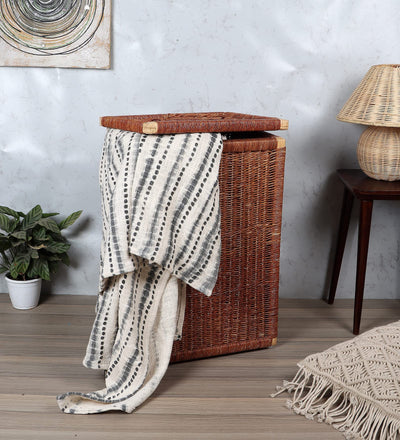
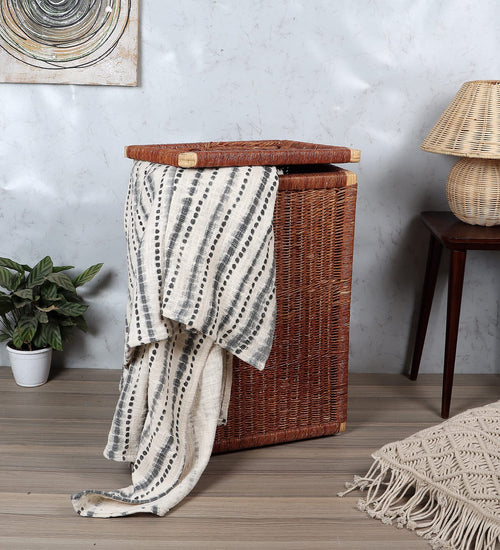
Toys multiply faster than anything else in a kids room, and nothing makes a nursery feel chaotic quicker than them spread across the floor. The fix is open, good-looking storage that a toddler can use too. Woven baskets are perfect: they hide the clutter, add natural texture, and are light enough for small hands to drag out and tidy away. Keep a couple of sizes going, so a large lidded basket for soft toys and bigger pieces, and smaller open baskets for books and bits the child reaches for often.
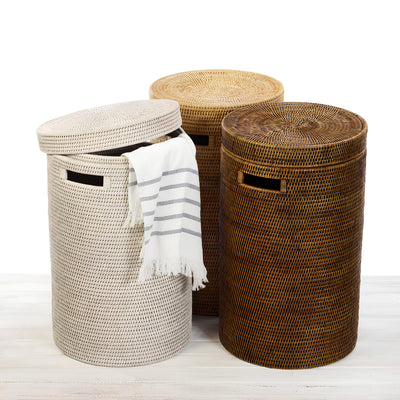
A lidded wicker or rattan basket is the workhorse here. Toss in the day's chaos before bedtime and the room is reset in seconds. Choose breathable natural weaves over plastic bins, both for the look and so anything slightly damp can air rather than sit sealed in. A smaller seagrass basket with a lid is handy on a shelf for tiny things you would rather not see.

A handwoven rattan basket with a lid that swallows the day's toys in one move. Light enough for a toddler to help with, and breathable so nothing sits sealed in.
View on site
View & Buy
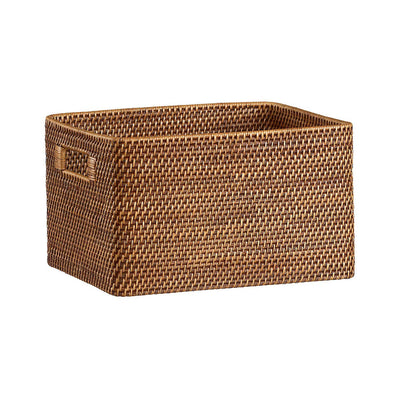
A handwoven wicker basket sized for baby clothes, folded blankets and spare muslins. Slides neatly onto a wardrobe shelf and adds soft, natural texture.
View on site
View & Buy
Seagrass Lidded Basket - Ishani
A small handwoven seagrass basket with a lid, perfect on a shelf for wipes, tiny toys and the little things you would rather keep out of sight.
View on site
View & Buy3. Carve out a cosy reading corner
Even before a baby can hold a book, a reading corner gives the room a heart and a routine. It does not need much space: a comfortable chair for feeds and bedtime stories, the soft wall light from earlier, a small jute rug to mark the spot, and an open basket of board books within reach. As the child grows, this becomes the place they curl up on their own, and a love of books usually starts with a cosy, well-lit spot to enjoy them.
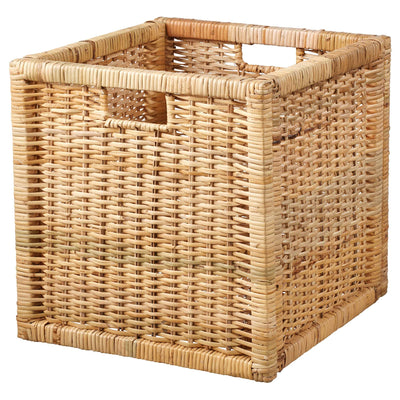
Keep the books face-out and low so a toddler can choose for themselves. A shallow open basket on the floor works better than a tall shelf for little hands, and it doubles as quick tidy-up storage. Layer a cushion or two in soft, washable cotton, and you have a corner that earns its place from the newborn feeds right through to the bedtime-story years.
4. Build warmth with gentle natural textures
The cosiness in a natural nursery comes almost entirely from texture in natural fibres. Think a jute or soft cotton rug for safe tummy time and first crawls, a chunky cotton throw over the feeding chair, and breathable woven baskets dotted around. These materials feel good against a baby's skin, they wear gently, and they age far better than anything synthetic and shiny.
Stick to a soft, tonal palette: cream, oatmeal, clay, sage and warm wood. Babies do not need bright primary colours to be stimulated, and a calmer palette is easier on their developing eyes and on yours during those long nights. Mix textures rather than colours, so a smooth cotton throw next to a nubbly woven basket on top of a coarse jute rug. That layering is what makes a neutral nursery feel warm rather than bare.
5. Choose safe, non-toxic natural materials
A baby's room is one place where what things are made of matters as much as how they look. Natural, untreated materials like cane, rattan, bamboo, wicker, seagrass and jute are a sound choice precisely because they keep things simple and breathable. Look for pieces with smooth, well-finished weaves and no sharp ends, and favour water-based or natural finishes over heavy synthetic lacquers and strong-smelling paints near where your baby sleeps.
Breathable baskets are better than sealed plastic bins for anything that might pick up moisture, and natural fibre rugs avoid the off-gassing of some synthetic foam mats. Air any new piece out for a few days before it goes into the nursery, give woven items a quick check for loose strands, and you have a room that is as gentle on your baby's lungs as it is on the eye.
6. Pick pieces that grow with your child
The smartest nursery decisions are the ones you do not have to redo in two years. A theme-heavy room dated to one cartoon character will need ripping out by the time your child has opinions. Calm, natural pieces simply carry on working. The toy baskets that held soft toys become book and craft storage for a five-year-old. The wall light that warmed night feeds becomes a gentle reading lamp. The jute rug that cushioned tummy time grounds a big-kid play zone.
A simple cane or bamboo wall mirror is a lovely grow-with-them piece too. Fixed safely to the wall, it bounces warm light around a small room, fascinates a baby learning faces, and stays useful right up to the getting-dressed-myself years. Buy a little more neutral and a little better made, and the room flexes with your child instead of fighting them.

A rounded bamboo and rattan wall mirror that bounces warm light around the room and delights a baby learning faces. Fix it securely and it grows with the child.
View on site
View & BuyHow do you build it on a budget?
You can ease into a natural nursery one piece at a time. Here is a sensible order if you are starting from an empty room, working from cheapest first to biggest investment last.
- First: swap your bulbs to warm 2700K and add one or two woven toy baskets to clear the floor.
- Next: add a soft jute or cotton rug for safe tummy time and mark out a reading corner.
- Then: mount a soft bamboo wall light by the feeding chair and a securely fixed cane mirror.
- The big pieces: a cane crib or convertible cot and a comfortable feeding chair, the anchors everything else is styled around.
Nursery safety, kept simple
- Anchor everything tall: shelves, dressers and storage units must be fixed to the wall so they cannot be pulled over.
- Fix mirrors and wall lights securely: mount them well out of reach, with no loose fittings or trailing cords near the crib.
- Choose breathable, well-finished weaves: smooth baskets with no sharp ends or loose strands a baby could pull at.
- Air out new pieces: let anything new off-gas for a few days before it goes into the room where your baby sleeps.
- Keep the crib clear: no cords, hanging decor or heavy items on the wall directly above where the baby sleeps.