
Monsoon damage to cane and rattan is almost always preventable. The essentials: air circulation, distance from rain and damp walls, drying in shade rather than harsh sun, catching mould at the first spot with diluted vinegar, and sealing the weave before the rains start.
If you have ever looked at a cane chair or a rattan pendant lamp and wondered whether it will survive an Indian monsoon, you are not alone. The worry is everywhere: damp air, mould spots, a weave that goes soft and starts to sag. Plenty of people assume natural cane and rattan furniture is too delicate for humid weather and that plastic or metal is the safer bet. The truth is gentler than that. Cane, rattan, bamboo and wicker have been used in coastal and monsoon-heavy parts of India for generations, and they last for years with a little seasonal care.
This guide is the practical version of that care. You will learn exactly how humidity affects cane and rattan furniture, how to stop mould before it starts, what to do if the weave sags, the right way to dry a damp piece (hint: a fan beats direct sun), and a simple pre-monsoon, during-monsoon and post-monsoon routine. Follow it and your handwoven furniture will outlast most plastic, and look far better doing it.
Quick answer: caring for cane and rattan furniture in the monsoon
Keep cane and rattan furniture in airflow, away from direct rain and damp walls. Wipe it dry whenever it feels humid, dry it in shade with a fan rather than harsh sun, and clean mould early with a mild vinegar solution. Seal the weave with a clear coat before the rains and your furniture will sail through the season without sagging or spotting.
How does monsoon humidity affect cane and rattan furniture?
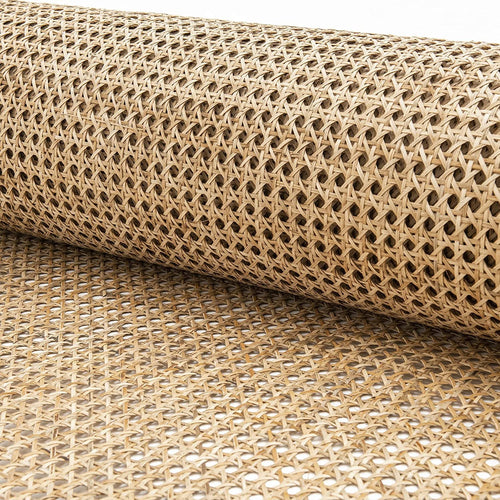
Cane, rattan, bamboo and wicker are natural plant fibres. They breathe, which is exactly what makes them feel warm and look beautiful, but it also means they absorb moisture from the air. During the monsoon, when humidity in most Indian cities sits between 70 and 90 percent, that natural fibre takes in water and releases it as the air dries. Managed well, this is harmless. Left unmanaged, three things can go wrong.
| Monsoon do | Monsoon don't |
|---|---|
| Keep furniture in a well-ventilated spot with moving air | Don't push pieces against a damp outer wall |
| Wipe down with a dry cloth on very humid days | Don't leave water or spills sitting on the weave |
| Dry damp pieces in shade with a fan | Don't dry cane in harsh direct sun for hours |
| Clean early signs of mould the day you spot them | Don't ignore a musty smell, it means trapped damp |
| Seal the weave with a clear coat before the rains | Don't store cane in a closed, airless cupboard |
| Use a dehumidifier or silica gel in very damp rooms | Don't soak or hose down natural cane furniture |
The first risk is mould, which appears as grey, green or black speckles when damp settles into the weave and does not dry out. The second is sagging, where the fibres soften with absorbed moisture and a seat or shelf loses its tautness. The third is musty smell, the early warning that moisture is trapped somewhere with no airflow. Every one of these is preventable, and none of them means the material has failed. They simply mean the piece needs a little air and attention.
Step-by-step monsoon care for cane and rattan furniture
This is the routine that keeps a piece healthy through the wettest weeks. None of it takes more than a few minutes at a time.
- Dust first, always. Run a dry microfibre cloth or a soft brush over the weave before doing anything else. Dust holds moisture against the fibre, so removing it is half the battle.
- Wipe down on humid days. When the air feels heavy, give the piece a quick wipe with a barely damp cloth, then a dry one. You are lifting surface moisture, not washing it.
- Reach into the weave. Use a dry toothbrush or a cotton bud to clear the gaps where damp and dust collect, especially on chairs, lamp shades and tight basket weaves.
- Dry it properly. If a piece gets genuinely damp, move it to a shaded, airy spot and point a fan at it. Air movement pulls moisture out evenly without stressing the fibre.
- Check the joints. Press gently on seats and frames once a week. A little give is normal; a soft, spongy feel means trapped moisture that needs drying out.
- Seal once a season. Before the monsoon, brush on a thin coat of clear lacquer or natural wax. This is the single biggest thing you can do to keep water out of the weave.
Your seasonal cane and rattan care routine
Caring for natural furniture is easiest when you treat it as three short phases rather than one big chore. Here is what to do, and when.
Pre-monsoon: seal and prepare
A week or two before the rains arrive, give every cane and rattan piece a full clean: dust, a light wipe, and a thorough dry. Then seal the weave with a thin, even coat of clear lacquer, polyurethane or natural beeswax. This invisible layer is what stops humidity soaking into the fibre. Move pieces a few inches away from outer walls and windows that get rain spray, and make sure each one sits where air can move around it. If a room runs very damp, set out a bowl of silica gel or run a dehumidifier.
During the monsoon: watch and wipe
Through the wet weeks, the job is light but regular. Wipe pieces down on the most humid days, keep fans or windows open for airflow when it is not actually raining, and act the moment you notice a musty smell or a soft spot. Catching damp early is the whole game. If a piece feels heavy with moisture, dry it with a fan straight away rather than waiting for a clear day.
Post-monsoon: deep clean and restore
Once the rains pass, do a proper reset. Clean each piece thoroughly, check the whole weave for any mould or weak spots, and dry everything fully in shaded, moving air. This is the time to touch up the sealant where it has worn, and to treat any sagging while the fibre is still slightly pliable. A post-monsoon once-over keeps small issues from becoming permanent before the next dry season sets in.
Durable cane and rattan pieces built for Indian homes
Every Akway piece is handwoven by Indian artisan families from natural cane, rattan and bamboo, the same materials that have weathered Indian monsoons for generations. With the simple care above, these last for years.

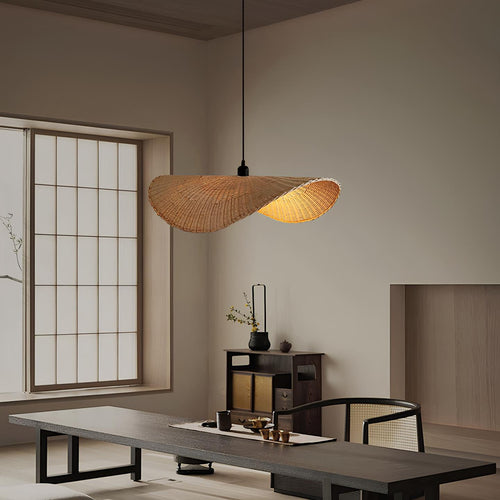
Bamboo & Cane Hanging Light - Adah
A handwoven pendant in natural bamboo and cane. Hung indoors with good airflow, it stays beautiful through every monsoon.
From Rs 3,499
View & Buy
Rattan & Bamboo Table Lamp - Quana
A handmade cane table lamp for the bedside or console. Keep it on a dry surface and it shrugs off humid weather with ease.
From Rs 2,899
View & Buy
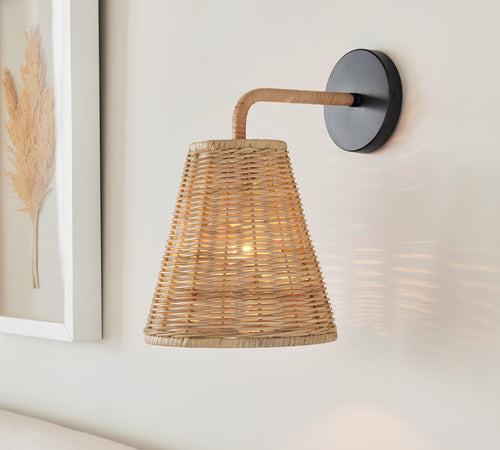
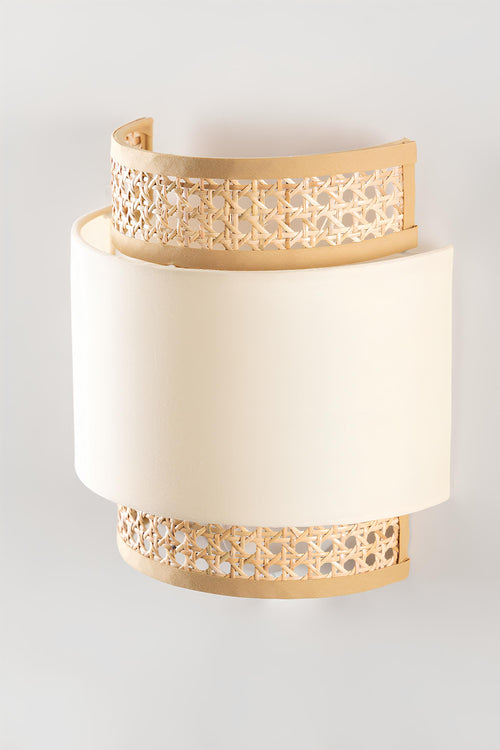
Wicker & Bamboo Wall Lamp - Ishank
A wall-mounted sconce in wicker and bamboo. Off the floor and away from damp, wall pieces are among the easiest to keep monsoon-safe.
From Rs 2,899
View & Buy
A round floating shelf in handwoven rattan. Mount it on an interior wall with airflow and a yearly seal keeps the weave crisp.
From Rs 1,999
View & Buy
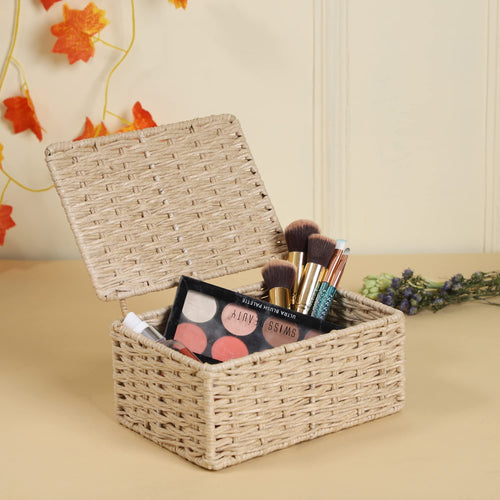
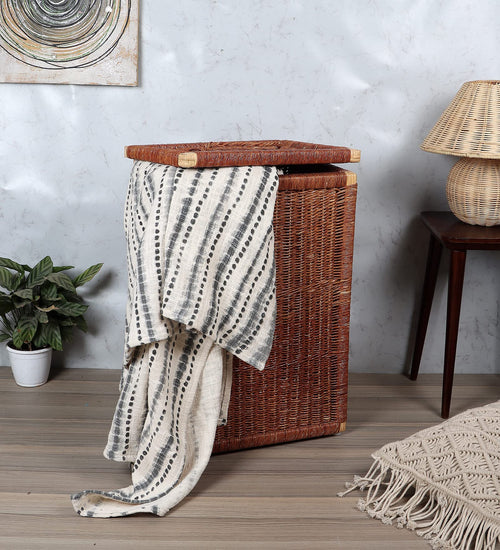
A large handwoven rattan basket for laundry or storage. The open weave breathes, so it dries fast even in damp weather.
From Rs 2,199
View & BuyQuick fixes for mould and sagging
Even with good care, the odd problem shows up in a heavy monsoon. Here is how to handle the two most common ones before they spread.
If you spot mould on cane or rattan:
- Take the piece outdoors or to a well-ventilated spot before you start, so spores do not settle indoors.
- Mix one part white vinegar with two parts water and lightly dampen a cloth, never soak the weave.
- Wipe the affected area, then use a dry toothbrush to lift mould out of the grooves.
- Wipe again with a clean dry cloth and dry the piece fully with a fan in the shade.
- Once dry, brush on a fresh coat of clear sealant to stop the mould returning.
If the weave is sagging:
- Lightly mist the underside of the sagging area with clean water so the fibre becomes slightly pliable.
- Let it dry naturally in shaded, moving air. As natural cane dries, it tightens and pulls the weave taut again.
- Repeat once if needed, then seal the area to lock in the renewed tension.
- For seats, avoid sitting on the piece until it is fully dry and firm again.
Why natural cane lasts where plastic gives up
It is easy to assume plastic furniture is the low-maintenance choice for a humid climate. In practice, plastic cracks, yellows and warps in heat and sun, and once it goes there is no fixing it. Natural cane and rattan behave differently. They flex with the weather, they can be re-tightened and re-sealed, and a well-kept piece develops a warm patina over the years instead of degrading. With nothing more than seasonal sealing and the odd wipe-down, handwoven cane outlasts the plastic alternative and keeps looking like something you actually want in your home.