
A well-chosen wall mirror does more than just reflect your face — it transforms a room. Mirrors create the illusion of space, bounce natural light into dim corners, and serve as stunning decorative focal points. Whether you are furnishing your first apartment in Mumbai or redecorating a family home in Bangalore, the right wall mirror can elevate your entire interior.
With so many options flooding the Indian market — from mass-produced factory pieces to handcrafted artisan mirrors — choosing the right one can feel overwhelming. This comprehensive buying guide covers everything you need to know: mirror types, ideal sizes for every room, material choices, styling ideas, and price ranges. We will also highlight why natural materials like rattan and bamboo are becoming the top choice for Indian homeowners who want style, sustainability, and craftsmanship in one piece.
Looking for handcrafted mirrors right away? Browse our curated rattan wall mirror collection — every piece is handwoven by Indian artisans using sustainably sourced natural materials.
Quick Comparison: Wall Mirror Types at a Glance
| Mirror Type | Best Sizes | Price Range (India) | Best For |
|---|---|---|---|
| Round Wall Mirror | 18" to 36" diameter | ₹2,500 – ₹12,000 | Living room, above console tables, entryways |
| Oval Wall Mirror | 16"x24" to 24"x36" | ₹3,000 – ₹10,000 | Bedroom dresser, bathroom vanity |
| Sunburst / Starburst Mirror | 24" to 40" overall | ₹4,000 – ₹15,000 | Statement wall, above fireplace or sofa |
| Arched Wall Mirror | 18"x30" to 24"x48" | ₹5,000 – ₹18,000 | Hallway, bedroom, Mediterranean interiors |
| Full-Length / Floor Mirror | 60" to 72" height | ₹6,000 – ₹25,000 | Bedroom, walk-in closet, dressing area |
| Rectangular Wall Mirror | 12"x20" to 24"x38" | ₹2,000 – ₹12,000 | Bathroom, bedroom, versatile placement |
Types of Wall Mirrors — Which Shape Suits Your Space?
1. Round Wall Mirrors
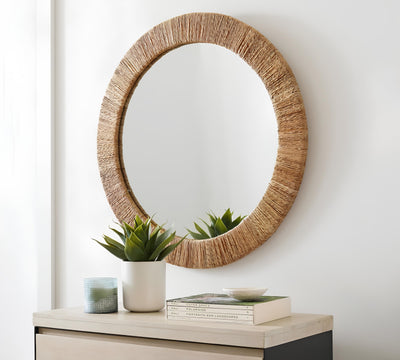
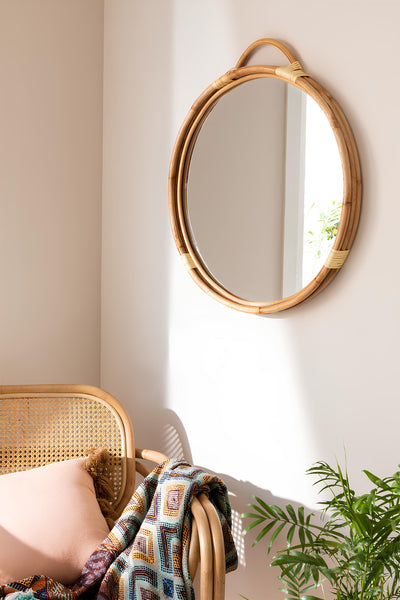
Round wall mirrors are the most popular choice in Indian homes right now, and for good reason. Their soft, curved shape breaks up the hard lines of furniture and architecture, creating a warm and inviting feel. A round rattan mirror in the 24" to 36" range works perfectly above a console table in the entryway, over a sofa in the living room, or as a statement piece in the bedroom.
Round mirrors are particularly effective in smaller Indian apartments because they draw the eye outward without dominating the wall. If you are working with a compact living room or a narrow hallway, a round mirror is almost always the safest and most stylish choice.

Rattan Wall Mirror 36 Inch Round for Living Room - Anandita
Oversized handwoven rattan frame, 1.5' to 3' diameter options, perfect for living room or entryway focal wall
From ₹2,899
Shop Now2. Oval Wall Mirrors
Oval mirrors bring a classic, timeless elegance that works beautifully in traditional and transitional Indian interiors. They are the preferred choice for bathroom vanities and bedroom dressing tables because the elongated shape flatters the face and provides a more natural reflection for grooming.
An oval mirror with a bamboo or rattan frame adds organic texture to the bathroom without the risk of rust — unlike metal-framed mirrors that deteriorate quickly in humid Indian bathrooms, especially during monsoon season.
3. Sunburst and Starburst Mirrors
If you want a wall mirror that doubles as wall art, sunburst mirrors are the answer. These feature radiating spokes or rays around a central mirror, creating a dramatic sculptural effect. In rattan or bamboo, sunburst mirrors become even more special — each ray is handwoven, giving every piece a slightly unique character.
Sunburst mirrors work best as single statement pieces. Place one above a sofa, over a console table, or on a feature wall in the dining room. Avoid clustering them with other decorative items — let the mirror be the star.
4. Arched Wall Mirrors
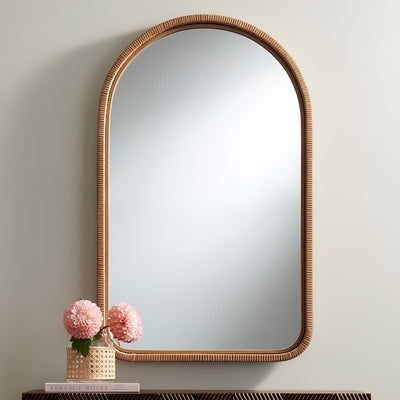
Arched mirrors — sometimes called cathedral mirrors — have surged in popularity thanks to the Japandi and Mediterranean interior trends taking India by storm. The soft arch at the top adds architectural interest and makes ceilings feel taller. They work beautifully leaned against a wall in the bedroom or mounted in a hallway to create depth.
5. Full-Length and Floor Mirrors
Every Indian home needs at least one full-length mirror. Whether wall-mounted or freestanding, a floor mirror is essential for outfit checks and makes any room feel twice its size. Bamboo and rattan floor mirrors bring a resort-style feel to the bedroom or dressing area — think five-star hotel vibes, but in your own home.
Mirror Size Guide by Room
Choosing the right mirror size is critical. Too small and it looks lost on the wall; too large and it overwhelms the space. Here is a room-by-room guide tailored for typical Indian home dimensions.
Living Room
The living room is where you can go bold. A wall mirror measuring 24 to 36 inches works well above a sofa or console table. The general rule: the mirror should be about two-thirds the width of the furniture below it. For a 6-foot sofa, a 36-inch round mirror or a 24"x36" rectangular mirror is ideal.
In compact Indian living rooms (150-200 sq ft), stick to a single statement mirror rather than a gallery arrangement. This keeps the space feeling open rather than cluttered.

Bamboo Wall Mirror 24" x 36" for Living Room - Asmee
Oversized handcrafted bamboo frame, two size options (18x30 and 24x36), ideal above sofa or console table
From ₹4,499
Shop NowBedroom
Bedrooms benefit from two mirror placements: a smaller decorative mirror above the dresser (12"x20" to 16"x25") and a full-length mirror near the wardrobe. The dresser mirror should be positioned so the centre sits at eye level when you are standing — typically 57 to 65 inches from the floor to the mirror's centre.
For bedrooms in Indian 2BHK and 3BHK apartments, a rectangular bamboo mirror in the 16"x25" range strikes the perfect balance between functionality and aesthetics.

Bamboo Wall Mirror 12x20 Inch for Bedroom - Ananya
Available in 4 sizes (12x20 to 24x38), handwoven bamboo frame, perfect above dresser or nightstand
From ₹4,399
Shop NowBathroom
Bathroom mirrors need to be sized relative to the vanity. The mirror should be 2 to 4 inches narrower than the vanity or wash basin on each side. For a standard 24-inch Indian bathroom vanity, a 20-inch wide mirror works perfectly. Round mirrors in the 18" to 24" range are increasingly popular for modern Indian bathrooms.
Important tip for Indian bathrooms: Choose mirrors with natural frames like rattan or bamboo that are sealed with a protective coating. Avoid untreated wood frames — they warp in humid conditions, especially during monsoon. All Akway mirrors come with a moisture-resistant finish designed for Indian climate conditions.
Hallway and Entryway
Narrow hallways in Indian apartments benefit enormously from mirrors. A round or arched mirror measuring 20" to 30" placed at the end of a hallway creates depth and reflects light from the main rooms. For entryways, position a mirror across from a window to maximise natural light.
Materials — Why Rattan and Bamboo Mirrors Are Trending in India
The Indian home decor market is shifting away from mass-produced metal and plastic frames toward natural, handcrafted materials. Here is why rattan and bamboo mirrors are leading this change:
Rattan Mirrors
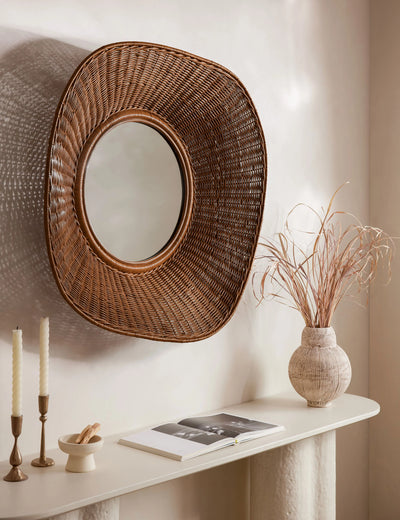
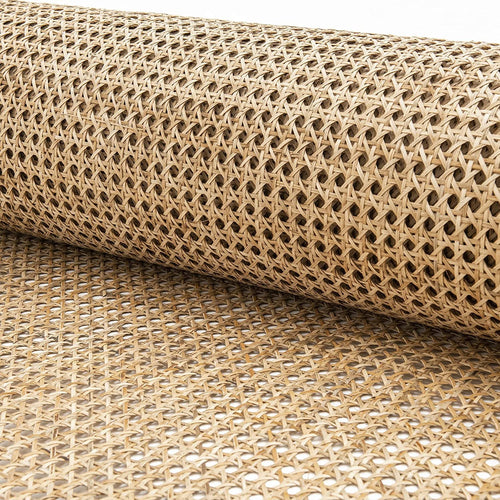
Rattan is a climbing palm that grows abundantly in tropical regions, including Northeast India. It is one of the strongest natural fibres available — pound for pound, rattan is stronger than many hardwoods. When woven into a mirror frame, rattan creates intricate, textured patterns that add warmth and character to any wall.
- Durability: Rattan mirror frames last 10-15 years with basic care. They resist cracking and warping better than wood.
- Lightweight: Rattan frames weigh 40-60% less than equivalent wooden frames, making wall mounting easier and safer — especially important in Indian apartments with concrete walls.
- Eco-Friendly: Rattan is one of the fastest-growing natural materials, regenerating in 5-7 years versus 25-50 years for hardwood. Choosing rattan supports sustainable forestry.
- Aesthetic Versatility: Rattan frames complement boho, coastal, Japandi, tropical, and contemporary Indian interiors equally well.
Bamboo Mirrors
Bamboo is India's green gold — the country is the world's second-largest bamboo producer. Bamboo mirror frames offer a sleeker, more structured look compared to the softer weave of rattan. They are ideal for modern and minimalist Indian homes.
- Strength: Bamboo has a tensile strength comparable to steel. Your mirror frame will not bend or sag over time.
- Sustainability: Bamboo grows up to 3 feet per day and requires no pesticides or fertilizers. It absorbs 35% more CO2 than equivalent trees.
- Made in India: Supporting bamboo products means supporting Indian artisan communities, particularly in Assam, Tripura, and Meghalaya.

Rattan Wall Mirror for Living Room - Paridhi
Handwoven rattan frame with intricate weave pattern, statement piece for living room or bedroom wall
₹8,999
Shop NowHow Rattan and Bamboo Compare to Other Frame Materials
| Material | Durability | Weight | Eco Score | Price (India) |
|---|---|---|---|---|
| Rattan / Cane | High (10-15 yrs) | Light | Excellent | ₹3,000 – ₹15,000 |
| Bamboo | Very High | Light to Medium | Excellent | ₹2,500 – ₹12,000 |
| Wood (Sheesham, Mango) | High | Heavy | Moderate | ₹5,000 – ₹20,000 |
| Metal (Iron, Brass) | Very High | Heavy | Low | ₹4,000 – ₹25,000 |
| MDF / Plastic | Low (2-5 yrs) | Light | Poor | ₹500 – ₹3,000 |
Wall Mirror Styling Ideas for Indian Homes
Owning a beautiful mirror is only half the equation — placement and styling matter just as much. Here are proven styling approaches that work brilliantly in Indian interiors.
1. Above the Sofa
This is the most common wall mirror placement in Indian living rooms, and it works for a reason. A round or rectangular mirror centred above the sofa creates a natural focal point. Keep the bottom edge of the mirror 6 to 8 inches above the sofa back. Choose a mirror that is about two-thirds the sofa width for balanced proportions.
Pro tip: If your living room faces east or west, position the mirror to catch morning or evening sunlight. The reflected golden light will make the room feel warm and spacious — free lighting enhancement.
2. In the Hallway
Indian apartments often have narrow hallways connecting rooms. A tall or arched mirror at the end of a hallway creates the illusion of the space continuing beyond the wall. For best results, place a small table or shelf below the mirror with a plant or decorative item to create a vignette.
3. Gallery Wall with Mirrors
Mix two or three mirrors of different sizes and shapes on one wall for an eclectic gallery effect. This works exceptionally well with handcrafted rattan mirrors, since the natural variations in weave pattern make each piece distinct. Arrange them asymmetrically for a collected, boho look, or in a clean grid for a more structured aesthetic.
4. Bathroom Vanity
Replace your standard frameless bathroom mirror with a rattan or bamboo-framed piece and watch the room transform. The natural texture adds warmth to the typically cold tiles-and-chrome bathroom aesthetic. A round mirror above the wash basin is the current go-to for modern Indian bathroom design.
5. Bedroom Feature Wall
Place a large mirror above the bed headboard or on the wall facing the bed. This makes the bedroom feel larger and more luxurious. If placing a mirror facing the bed makes you uncomfortable (as per Vastu guidelines), position it on a side wall where it reflects a window view instead.

Rattan Wall Mirror for Living Room - Shaurya
Compact rattan wall mirror with elegant woven frame, ideal for bedroom accent wall or hallway decor
₹3,899
Shop NowWall Mirror Price Guide India 2026
Understanding price ranges helps you set realistic expectations and find the best value for your budget. Here is what to expect across different segments in the Indian market.
Budget Range: ₹1,000 – ₹5,000
In this range, you will find smaller mirrors (up to 20 inches) with simple frames. Mass-produced MDF and plastic frames dominate here, but you can find entry-level handcrafted bamboo and rattan mirrors from brands like Akway starting around ₹1,989. At this price point, prioritise mirror quality (distortion-free glass) and secure mounting hardware over elaborate frame designs.
Mid Range: ₹5,000 – ₹10,000
This is the sweet spot for most Indian buyers. You get access to medium to large mirrors (20" to 36") with beautifully crafted natural frames. Handwoven rattan and bamboo mirrors in this range feature intricate patterns, multiple size options, and high-quality mirror glass. This is where you find the best balance of craftsmanship, size, and value.
Most of Akway's wall mirror collection falls in this range, with prices from ₹1,989 to ₹13,999 for wall-mounted pieces.
Premium Range: ₹10,000 and Above
Premium mirrors include oversized statement pieces (36" and above), full-length floor mirrors, and designer collections with unique artisan weave patterns. If you are decorating a large living room, a premium rattan floor mirror or an oversized round wall mirror can serve as the centrepiece of your entire decor scheme. At this level, you are investing in a piece that will last 10-15 years and become a talking point in your home.
Online vs. Offline: Where to Buy Wall Mirrors in India
Buying wall mirrors online in India has become the preferred choice for most homeowners. Here is why:
- Wider selection: Online stores like Akway offer 30+ mirror designs compared to the 5-10 options at a typical local furniture shop.
- Better prices: Direct-to-consumer brands eliminate middlemen, passing savings to you. A handcrafted rattan mirror that costs ₹15,000 at a boutique store in Mumbai might be ₹8,000-9,000 online.
- Detailed photos and dimensions: You can see every angle and check exact measurements before buying.
- Easy returns: Most reputable online stores offer hassle-free return policies.
When buying online, always check: exact dimensions (including frame), mirror type (regular vs. distortion-free), frame material, weight, and mounting hardware included.
How to Hang a Wall Mirror — Practical Tips
Proper installation ensures your mirror is safe, level, and positioned for maximum visual impact.
Height Guidelines
- Living room (above sofa): Centre of mirror at 57-60 inches from floor, or 6-8 inches above sofa back.
- Bathroom (above vanity): Centre at 60-65 inches from floor; bottom edge at least 4 inches above the tap.
- Hallway: Centre at eye level (57-63 inches from floor).
- Bedroom (above dresser): Bottom edge 6 inches above the dresser surface.
Wall Mounting in Indian Homes
Indian apartment walls are typically concrete or brick, which requires wall plugs (rawl plugs) and screws — not just nails. For mirrors under 3 kg, two mounting points are sufficient. For larger mirrors (3-8 kg), use three mounting points in a triangular pattern. Always use a spirit level to ensure the mirror hangs straight.
For renters who cannot drill, consider heavy-duty adhesive strips rated for the mirror's weight. However, for mirrors over 2 kg, wall-drilled mounting is always the safer option.
Vastu Tips for Wall Mirror Placement
Many Indian homeowners consider Vastu Shastra guidelines when placing mirrors. While personal preference matters most, here are widely accepted Vastu suggestions:
- North and east walls are considered ideal for mirrors — they reflect positive energy and light.
- Avoid placing mirrors directly facing the main door — this is believed to push energy back out of the home.
- Bedroom mirrors: Avoid placing a mirror directly facing the bed. Instead, position it on a side wall or inside the wardrobe door.
- Dining room: A mirror reflecting the dining table is considered auspicious, as it symbolises abundance.
- Ensure mirrors are never cracked or damaged — replace broken mirrors promptly.
Mirror Care and Maintenance
Proper care ensures your wall mirror looks pristine for years. Here are specific tips for natural frame mirrors:
- Mirror glass: Clean with a standard glass cleaner or a mix of water and white vinegar. Spray onto a cloth, not directly on the mirror, to prevent liquid from seeping behind the glass.
- Rattan and bamboo frames: Dust regularly with a soft, dry cloth. For deeper cleaning, use a slightly damp cloth and dry immediately. Avoid soaking the frame.
- Humidity protection: In humid Indian cities (Mumbai, Chennai, Kolkata), ensure good ventilation in the room. If placing a natural frame mirror in the bathroom, run the exhaust fan after showers.
- Direct sunlight: Prolonged direct sunlight can fade the natural colour of rattan and bamboo frames over time. If possible, avoid walls that receive harsh afternoon sun.
- Annual treatment: Apply a thin coat of clear furniture wax or lacquer once a year to maintain the frame's lustre and moisture resistance.
Frequently Asked Questions
What size wall mirror is best for a living room?
For most Indian living rooms, a wall mirror in the 24" to 36" range works best. If placed above a sofa, the mirror should be approximately two-thirds the width of the sofa. A 36-inch round rattan mirror is the most popular choice for living rooms on Akway.
Are rattan mirrors durable?
Yes, rattan is one of the strongest natural fibres available. A well-made rattan mirror frame lasts 10-15 years with basic care. Rattan is naturally flexible, so it resists cracking better than rigid materials like wood or metal. All Akway rattan mirrors are treated with a protective finish for added longevity.
Can I put a rattan or bamboo mirror in the bathroom?
Yes, but with some precautions. Choose mirrors with a sealed or lacquered frame finish. Ensure your bathroom has adequate ventilation (exhaust fan or window) to manage humidity. Avoid placing the mirror directly above the bathtub or in areas with constant water splashing. With proper care, a natural frame mirror works beautifully in Indian bathrooms.
How do I hang a heavy wall mirror on a concrete wall?
Use a drill with a masonry bit to create holes in the concrete wall. Insert wall plugs (rawl plugs), then screw in heavy-duty hooks or screws. For mirrors weighing over 5 kg, use at least three mounting points. All Akway mirrors come with mounting hardware and installation instructions suited for Indian wall types.
Where should I not place a mirror according to Vastu?
According to Vastu Shastra, avoid placing mirrors directly facing the main entrance door, directly facing the bed in the bedroom, or on south and west walls. North and east walls are considered ideal. A mirror reflecting the dining table is considered auspicious. Remember, these are guidelines — personal comfort and aesthetic preference should be your primary consideration.
What is the difference between rattan, cane, and wicker mirrors?
Rattan is the raw material — a tropical climbing palm. Cane refers to the outer skin of the rattan palm, which is peeled and used for weaving. Wicker is a weaving technique, not a material — you can have wicker furniture made from rattan, bamboo, or synthetic materials. When you see "rattan mirror," "cane mirror," or "wicker mirror" at Akway, they all refer to mirrors with handwoven natural rattan or cane frames.
How much does a good wall mirror cost in India?
Quality wall mirrors in India range from ₹2,000 to ₹25,000 depending on size, material, and craftsmanship. Handcrafted rattan and bamboo mirrors from Akway start at ₹1,989 for compact sizes and go up to ₹13,999 for oversized wall-mounted pieces, with full-length floor mirrors reaching ₹28,999. For the best value, the ₹5,000-₹10,000 range offers excellent quality and size options.
How do I clean a rattan mirror frame?
Dust the rattan frame regularly with a soft, dry cloth or a soft-bristle brush. For stubborn dust, use a slightly damp cloth and dry the frame immediately. Never soak the frame or use harsh chemical cleaners. Once a year, apply a thin coat of clear furniture wax to maintain the frame's natural sheen and moisture resistance.
Final Thoughts — Choosing Your Perfect Wall Mirror
A wall mirror is one of the most impactful home decor purchases you can make. It makes rooms feel larger, brightens dark spaces, and serves as a functional art piece. When choosing your mirror, consider the room size, the furniture it will hang above, your interior style, and your budget.
If you value craftsmanship, sustainability, and a design aesthetic that blends seamlessly with Indian interiors, handmade rattan and bamboo mirrors are the clear winner. Each piece from Akway is handwoven by skilled Indian artisans, supports local communities, and comes with a quality promise backed by over 10,000 happy customers across Amazon, Flipkart, and our direct store.
Ready to find your perfect wall mirror? Explore the full Akway wall mirror collection — handcrafted, eco-friendly, and designed for Indian homes. Every mirror ships with free mounting hardware and our easy return policy.