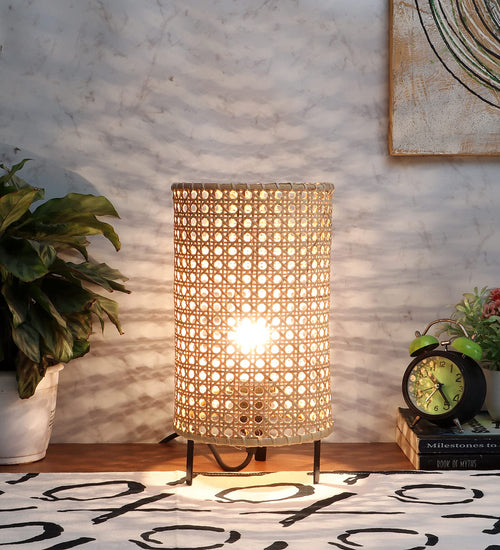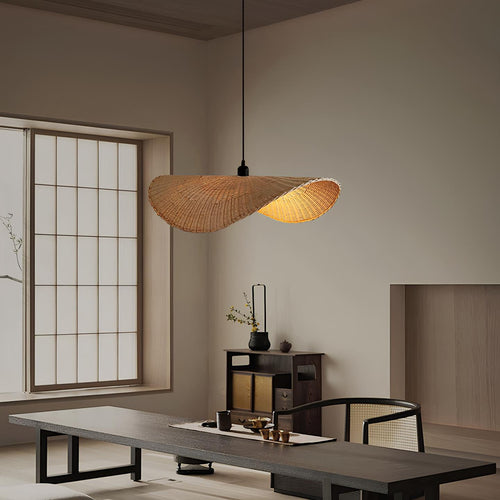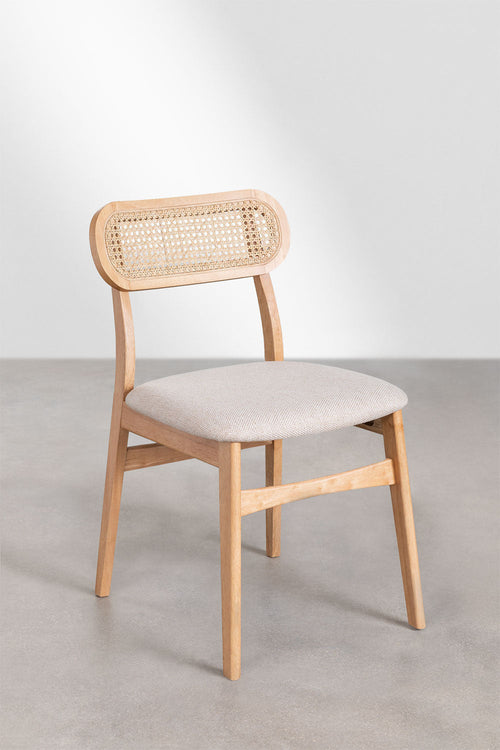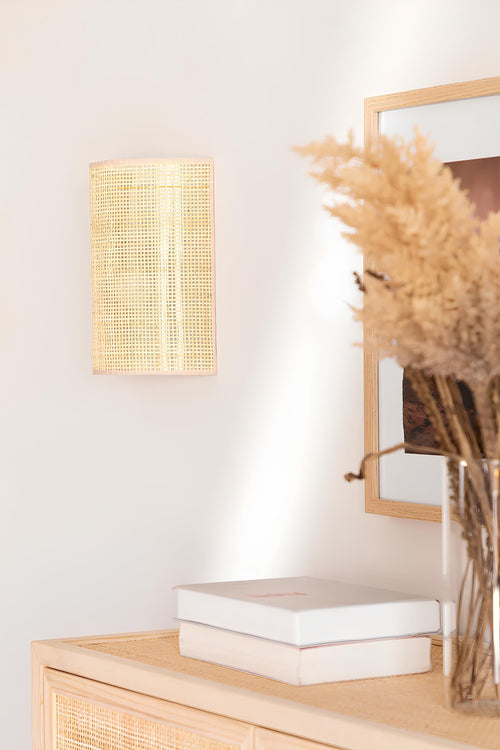

Yes, it holds up, and it has done for generations. Cane, rattan and bamboo are flexible and breathable, so shifting humidity bothers them far less than most people expect. What harms them is trapped moisture: a piece shoved against a damp wall in a closed, still room.
If you live somewhere humid and coastal, like Mumbai, Goa, Chennai, Kochi or the Konkan belt, you have probably wondered whether cane and rattan furniture can actually survive the salt air and sticky monsoons. The honest answer: yes, and it is one of the better choices for a coastal home, as long as you treat it right. Natural fibre has been used in tropical and coastal houses for generations for exactly this reason.
This guide covers how cane and rattan furniture holds up in humid climates, which pieces work best on a breezy balcony or a sea-facing room, and the simple care routine that keeps them looking good for years.
Does cane and rattan survive coastal humidity?
It does, and it has a long history of doing so. Cane, rattan and bamboo are naturally flexible and breathable, so they cope with changing humidity far better than you would expect. What they do not like is trapped moisture: a piece pushed against a damp wall in a shut room with no air movement. Give them airflow and a little seasonal care and they last for years, even a few hundred metres from the sea.
| Humid-climate concern | Why it happens | How to prevent it |
|---|---|---|
| Mould or mildew spots | Damp trapped in a closed, airless spot | Keep airflow, wipe dry, avoid damp walls |
| Fibre feeling soft or sticky | Long spells of very high humidity | Let it dry in indirect sun, oil seasonally |
| Cushions smelling musty | Fabric holding moisture | Use removable covers, air them regularly |
| Salt or dust buildup | Sea air near the coast | Dust weekly, wipe with a barely-damp cloth |
The pieces that work best in a coastal home
Lean towards pieces that live in airy spots, like a balcony, a verandah or a sea-facing living room, where a breeze keeps everything dry. A cane sofa on a covered balcony, a swing chair by an open window, or a rattan bed in a well-ventilated room all play to natural fibre's strengths.

Built for a covered balcony or verandah, with removable cushion covers you can air out after a wet spell.
From Rs 28,999
Shop Now
Bamboo Cane Swing Chair - Ishana
Perfect by an open window where the breeze keeps it dry, and made to handle a balcony in a coastal city.
From Rs 14,999
Shop Now
A handwoven bed for a well-ventilated bedroom, where natural fibre stays comfortable through humid nights.
From Rs 42,999
Shop NowA simple care routine for humid weather
None of this is hard work. Dust the piece weekly so salt and grime do not settle into the weave. After a heavy monsoon day, wipe off any splashes and let it breathe. Keep furniture a few inches off damp walls so air can move behind it, and never dry it in harsh direct sun, which can make the fibre brittle over time. Do that, and your cane furniture will outlast most of the plastic and particle-board alternatives that swell and sag in the same climate.