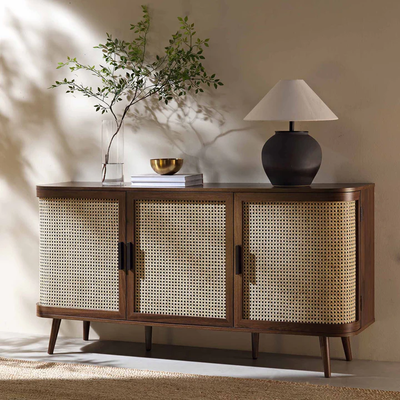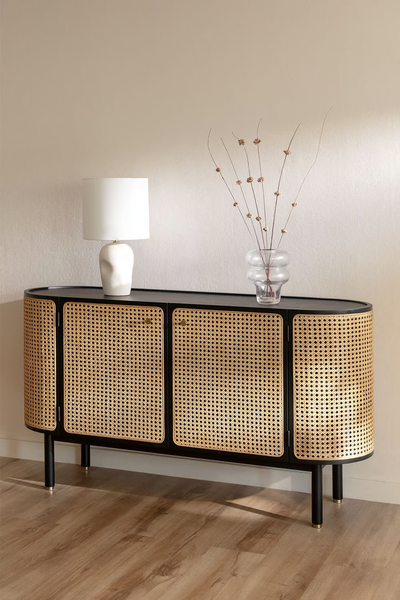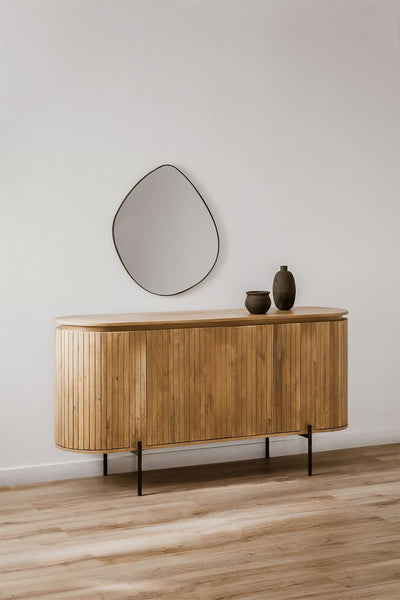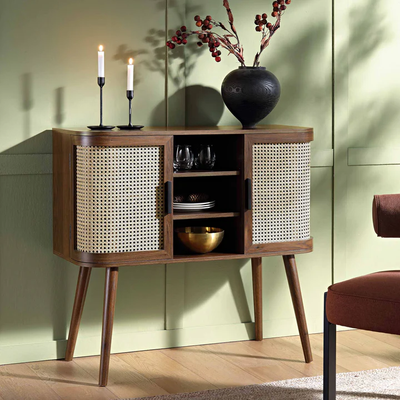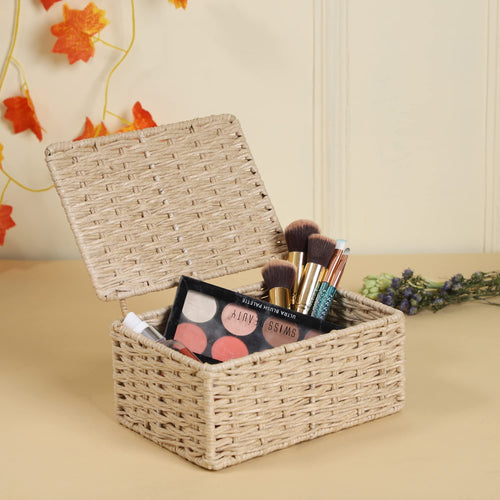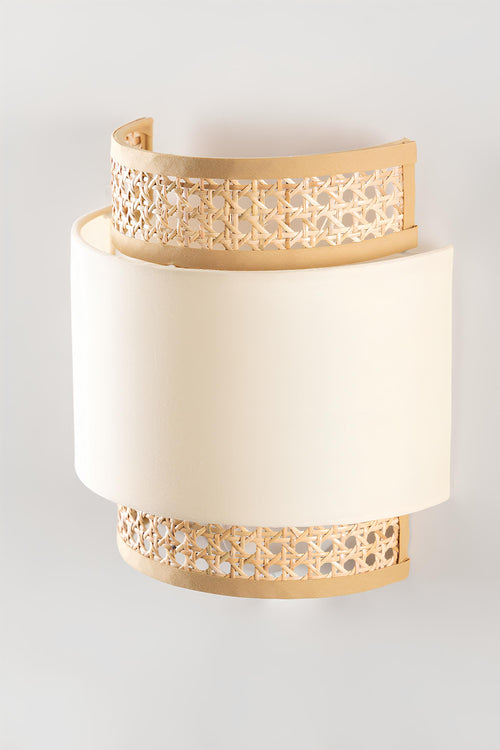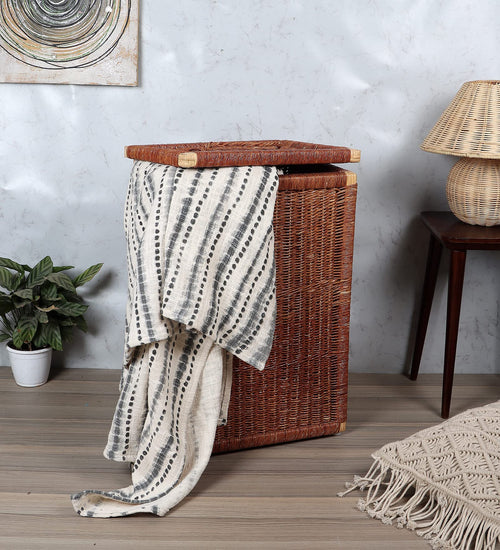

The distinction decides everything else. A sideboard is low and deep, with doors and drawers, built to swallow a lot. A console is narrow and shallow, meant for a wall or the back of a sofa where floor space is short. Both come in rattan, cane, bamboo and wood.
Every home has that one spot where mess collects. The dining table that turns into a dumping ground for keys, chargers and unopened post. The corner of the living room where extra cushions, board games and stray remotes pile up. A rattan sideboard or a cane console table solves both problems at once: it hides the clutter behind doors and drawers, then puts a warm, handwoven surface on top for the things you actually want on show.
This guide walks through everything you need to choose the right piece for your home in India. We cover what separates a sideboard from a console table, the sizes that suit each room, how to match height and depth to your sofa or dining set, and the styling tricks that make a rattan and wood sideboard look like it cost far more than it did. Every piece mentioned here is handcrafted by Indian artisan families, so you get natural materials and real woodwork rather than flat-pack particleboard.
Quick answer: sideboard or console table?
A sideboard is a low, deep storage cabinet, usually with doors and drawers, built to hold a lot. A console table is narrow and shallow, meant to sit against a wall or behind a sofa where floor space is tight. Both come in rattan, cane, bamboo, wicker and solid wood. Here is how the common sizes line up with the room you have in mind.
| Piece | Typical size (W x D x H) | Best room and use |
|---|---|---|
| Compact console table | 90 x 30 x 75 cm | Entryway, hallway, behind a slim sofa |
| Standard console table | 110 x 35 x 78 cm | Living room, behind a sofa, under a mirror |
| Small sideboard / buffet | 120 x 40 x 75 cm | Small dining room, studio, bedroom storage |
| Standard sideboard | 140 x 45 x 80 cm | Dining buffet, living room media unit |
| Large sideboard / TV unit | 160 x 45 x 55 cm | Big living room, TV console, open-plan storage |
Sizes vary between handmade pieces, so treat these as a guide rather than a rulebook. The point is simple: a console table is the slim, decorative option for tight spaces, and a sideboard is the workhorse when you need real storage in a dining or living room.
How to choose the right rattan sideboard or console table
Picking furniture by photo alone is how people end up with a piece that blocks a doorway or swims against a wall. Work through these steps before you buy.
- Measure the wall or gap first. Note the width you have to play with and leave at least 15 to 20 cm of breathing room on each side so the piece does not look crammed in.
- Decide storage versus surface. If you mainly need to hide clutter, choose a sideboard with doors and drawers. If you just want a landing surface for keys, lamps and decor, a console table is enough.
- Match the height to its neighbour. Behind a sofa, the console should sit roughly level with the back of the sofa. In a dining room, a sideboard around 75 to 80 cm tall works as a comfortable serving height.
- Check the depth against your walkway. A 45 cm deep sideboard holds far more than a 30 cm console, but in a narrow hallway that extra depth can make the path feel tight. Measure your clearance.
- Pick a material finish that ties into the room. Natural rattan webbing and mango or sheesham wood suit boho, Japandi, coastal and modern Indian interiors. Match the wood tone to your existing furniture so the piece reads as part of a set.
Styling a rattan sideboard and cane console table
The same piece can play four completely different roles depending on where you place it. Here is how to style each one so it looks deliberate, not just useful.
Entryway console table
A slim cane console table by the front door becomes your home's drop zone. Keep a small tray for keys and sunglasses, a woven basket underneath for shoes or post, and a lamp or framed mirror above it. Two stools tucked beneath save space and double as extra seating when guests arrive. Stick to one or two decorative objects so the surface stays a working landing pad rather than another shelf to dust.
Behind the sofa
A console table behind the sofa is one of the best uses of dead space in an open-plan living room. It defines the edge of the seating area, hides the back of the sofa, and gives you a surface for a table lamp, books and a plant. Run a long, low piece roughly the width of the sofa, and keep tall items to the ends so they do not block the view across the room. A cane console with a drawer also hides remotes and chargers within easy reach.
Dining room buffet
This is the classic sideboard job. A rattan and wood sideboard along the dining wall stores crockery, cutlery, table linen and serving dishes behind closed doors, then gives you a surface to lay out food at a dinner party. Top it with a pair of lamps or a single statement piece, a tray for serving, and keep the styling restrained so there is room to set down dishes when you entertain.
Living room TV unit
A low, wide sideboard makes a handsome media console. The TV sits on top, the cabinet below swallows the streaming box, cables, gaming gear and the clutter that usually tangles under a TV. Choose a piece around 50 to 55 cm tall so the screen sits at a comfortable eye level from the sofa, and use the drawers to keep small electronics out of sight.
Our handpicked sideboards and console tables
Each of these is handcrafted by Indian artisan families from natural rattan, cane and solid wood. They work across the living room, dining room, entryway and bedroom, so you can choose by size and finish rather than by a single fixed use.

Rattan and Wood Sideboard - Anvi
A spacious rattan and wood sideboard with cane doors and shelves. Works as a dining buffet, living room media unit or entryway storage, with a natural finish that suits boho and Japandi rooms.
From Rs 27,999
View & Buy
A handcrafted rattan sideboard with closed storage and a warm wood frame. Slot it into the dining room as a buffet or use it as a low console in the living room for everyday clutter.
From Rs 24,999
View & Buy
Rattan and Wood Sideboard - Aaheli
A versatile rattan and wood sideboard with cane door fronts and roomy shelves. A go-to for dining storage, a bedroom cabinet or a TV unit, finished in natural tones that pair with neutral walls.
From Rs 24,899
View & Buy
A premium mango wood sideboard with intricate rattan cane webbing on the doors. Designed for the dining room as an elegant buffet, it also makes a striking console in a large living room.
From Rs 28,999
View & Buy
A solid mango wood sideboard with generous closed storage at a friendly price. Use it as a dining buffet, living room cabinet or bedroom storage that keeps clutter behind doors.
From Rs 21,999
View & BuyRattan, cane, bamboo or solid wood?
These materials often appear together in one piece, but they each bring something different. Knowing the difference helps you read product descriptions and choose with confidence.
- Rattan: a solid climbing palm, strong and slightly flexible, often used for sideboard frames and the woven cane panels on doors. It gives that warm, textured look that defines boho and coastal interiors.
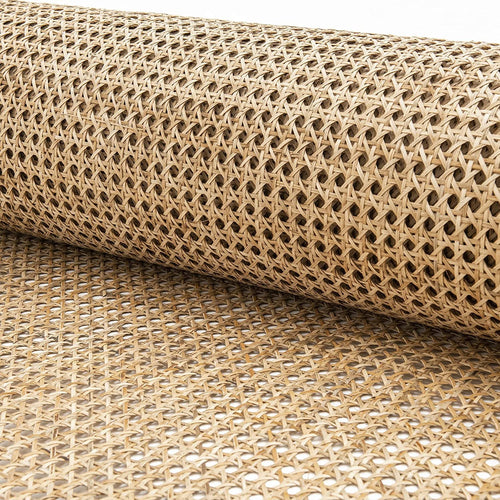
- Cane: the outer skin of rattan, woven into the open webbing you see on cabinet doors. Cane webbing lets the cabinet breathe and adds a handcrafted pattern without weighing the piece down.
- Bamboo: a fast-growing grass, light and eco-friendly, used for lighter console tables and accent pieces.
- Wicker: not a material but a weaving technique, where rattan, cane or bamboo is woven into baskets, panels and storage.
- Solid wood: mango and sheesham give a sideboard its weight, structure and longevity. Paired with rattan cane fronts, you get durable storage with a natural, airy face.
Caring for your sideboard or console table
Natural rattan, cane and wood reward a little routine care with years of good looks. None of this takes long.
- Wipe the surface and cane panels with a soft, dry cloth regularly to lift dust before it settles into the weave.
- Use coasters under glasses and place mats under hot dishes to prevent water rings and heat marks.
- Keep the piece out of direct sunlight, which fades both wood tone and cane over time.
- Wipe up spills quickly and let any damp area air-dry fully rather than soaking it.
- Apply furniture polish or wax every three to six months to keep the wood and weave looking fresh.
- For cane webbing that feels slack, a light mist of water on the back, left to dry naturally, helps it tighten again.