
The usual mistake is buying too small. A wall clock wants to fill a decent share of the empty wall above it, or roughly two-thirds the width of whatever furniture sits below. Undersized, it reads as an afterthought. Sized properly, it anchors the whole wall.
A plain plastic wall clock disappears into the wall the moment you hang it. Nobody looks at it twice. A handwoven cane wall clock does the opposite, it pulls the eye in, starts a conversation, and quietly tells people you care about the details. That is the real difference between an ordinary timepiece and a piece of wall decor that happens to tell time, and it is the reason a rattan wall clock has quietly become one of the most asked-for items in Indian homes leaning into natural, textured interiors.
A rattan wall clock, a bamboo wall clock and a cane wall clock all do the same job in different textures, and choosing the right one comes down to three things: the size, the wall it lives on, and the movement ticking away inside. Get those right and the clock looks like it was always meant to be there. Get them wrong and it floats awkwardly, too small for the wall or too loud for the bedroom. This guide walks you through the diameters that suit each room, the differences between the materials, how to place a decorative wall clock so it looks intentional, and the styling tricks that turn a single clock into a full feature wall, the way our artisan families intended.
Quick answer: which wall clock size for which wall
The most common mistake people make is buying a clock that is too small for the wall. As a rule of thumb, the clock should fill a good portion of the empty wall space above it, or roughly two-thirds the width of the furniture below it. A clock that is undersized looks like an afterthought, while a well-sized one anchors the whole room. Here is how rattan and bamboo wall clock diameters map to the spaces in a typical Indian home.
| Clock diameter | Best wall or spot | Room |
|---|---|---|
| 25 to 30 cm | Narrow wall, above a doorway, beside a window | Kitchen, study nook |
| 30 to 40 cm | Above a dresser, bedside wall, small feature wall | Bedroom, home office |
| 40 to 50 cm | Above a console or two-seater, gallery wall centre | Living room, entryway |
| 50 to 60 cm | Above a three-seat sofa, large empty feature wall | Living room, dining room |
| 60 cm and above | Double-height walls, open-plan halls, commercial spaces | Large living areas, cafes |
Rattan vs bamboo vs cane: which wall clock material to pick
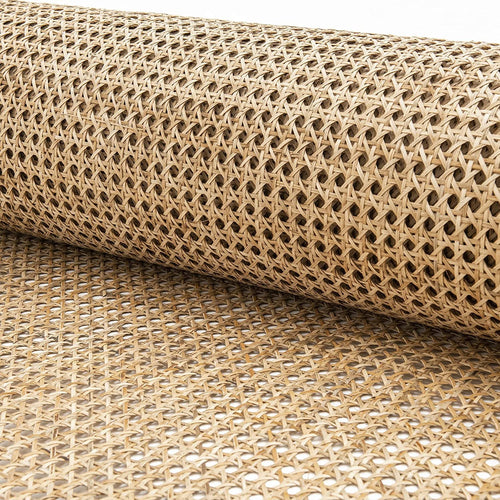
People use rattan, bamboo, cane and wicker almost interchangeably, but they each give a wall clock a different look and feel. They are all natural, all handwoven and all warmer than plastic or metal, yet the texture and the mood they create are not the same. Use this comparison to match the material to your room before you even think about size.
| Material | Look and texture | Best suited to |
|---|---|---|
| Rattan | Warm golden weave, open and organic | Boho, eclectic and tropical living rooms |
| Bamboo | Stronger, structural, often in spokes or rings | Statement and sunburst designs, large walls |
| Cane | Fine, tight webbing, refined and neat | Japandi, minimalist and Scandinavian rooms |
| Wicker | Catch-all term for the woven finish itself | Any natural, handcrafted look |
In short, rattan is the material, wicker is the weave, bamboo is the structural cousin, and cane is the smooth outer skin used for fine detailing. A wooden wall clock for living room walls gives you the same warmth in a solid finish, but it loses the handwoven texture that makes a cane or rattan clock feel artisan-made. If you want the natural look with the most character, a handwoven rattan or bamboo wall clock wins every time.
How do you choose a rattan or bamboo wall clock?
Five quick decisions get you to the right clock. Run through them in order and you will not second-guess the purchase.
- Measure the wall, then match the diameter. For a clock hung alone on a feature wall, aim for it to cover roughly one-third to one-half of the open wall width. Above furniture, the clock should be about two-thirds the width of the sofa or console below it, never wider.
- Pick the material texture for your style. Tight cane webbing reads refined and works in Japandi and minimalist rooms. Open rattan weave feels warm and boho. Sunburst bamboo spokes make the boldest statement.
- Insist on a silent-sweep movement. A silent quartz movement glides the second hand instead of ticking. This matters most in bedrooms and home offices, where a loud tick-tock becomes impossible to ignore at night.
- Check readability. From across a living room you want clear numerals or markers with good contrast against the natural frame. A beautiful clock you cannot read at a glance defeats the purpose.
- Confirm the mounting and weight. Most rattan and bamboo clocks weigh under 1 kg, so a single wall hook or anchor handles them easily. Check that the hanging hardware is included.
Why does silent-sweep movement matter more than you think?
The frame is what catches your eye, but the movement is what you live with. A standard quartz movement steps the second hand once per second, which produces that familiar tick-tock. In a busy living room you never notice it. In a quiet bedroom at 2 am, it is the only thing you can hear. A silent-sweep, or continuous-sweep, movement glides the second hand smoothly around the dial with no audible step, so the clock keeps perfect time without making a sound. Every Akway clock uses a silent-sweep quartz movement for exactly this reason. If you are buying a clock for a bedroom, nursery, home office or meditation corner, treat silent movement as non-negotiable rather than a nice-to-have.
Styling a wall clock room by room
A rattan wall clock for living room walls is only the start. Here is how to place a natural timepiece so it looks styled rather than stuck on, in every room of the house.
Above the sofa or console
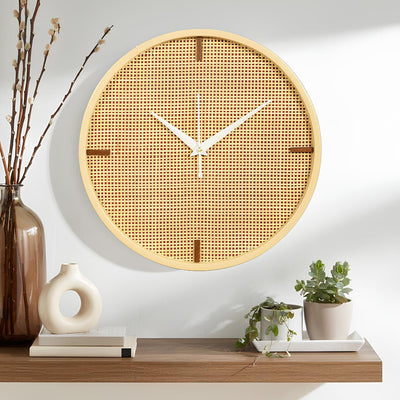
The wall above a sofa is the most natural home for a statement clock. Hang it centred over the sofa, with the bottom of the clock roughly 20 to 25 cm above the backrest so the two read as one composition. Above a console table in the entryway, a medium rattan clock paired with a small lamp or vase creates an instant welcome vignette that sets the tone the moment someone walks in.
A gallery wall built around the clock
One of the most popular ways to display a bamboo wall clock is as the anchor of a gallery wall. Mount the clock at eye level in the centre, then surround it with woven wall baskets, small mirrors, framed botanical prints and macrame. Mix round and rectangular shapes, stick to natural tones, and leave 5 to 10 cm of breathing room between pieces so each one is appreciated on its own. Lay the arrangement out on the floor first, photograph it, and only then start drilling, it saves a wall full of unnecessary holes.
The kitchen and dining wall
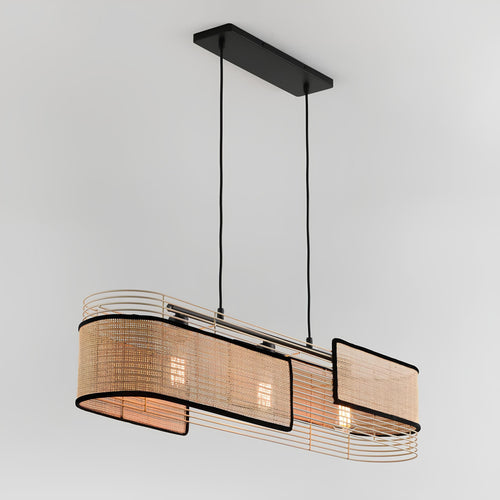
In the kitchen, a compact bamboo clock above the doorway or beside the window keeps time visible while you cook, and natural fibre handles everyday kitchen humidity far better than it handles direct steam. Keep it away from the hob and sink splash zone. In the dining room, a sunburst cane clock on the wall behind the table becomes a warm backdrop for meals and pairs beautifully with wooden dining furniture and rattan pendant lights overhead.
The bedroom
Choose a medium clock with a silent quartz movement for the wall above a dresser or directly opposite the bed. The warm rattan frame gives you a calming focal point to wake up to, and the silent movement means nothing disturbs the quiet. Keep the palette soft and let the natural weave be the single point of texture on the wall, paired perhaps with a bamboo mirror or a small woven hanging.
The home office
A rattan wall clock brings organic warmth to an otherwise functional workspace and gives your eyes somewhere natural to rest between screens. Position it on the wall you face while working so a quick glance replaces reaching for your phone to check the time, a small habit that cuts screen distraction through the day.
The entryway and balcony
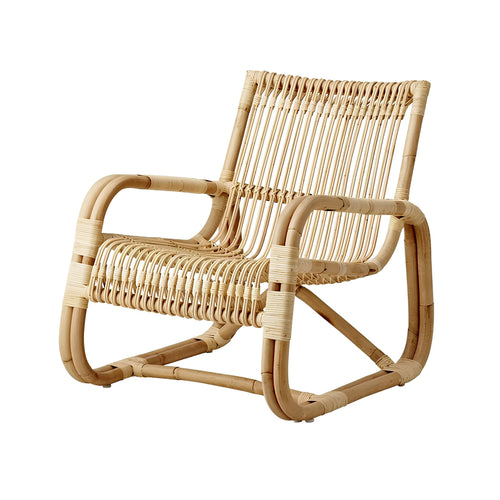
A statement rattan clock in the entryway is both practical for a grab-and-go time check and a signal of the design language running through the rest of your home. On a covered balcony, a bamboo clock adds character alongside rattan planters and cane furniture, just keep it out of direct rain and harsh afternoon sun to protect the natural fibre.
Shop handcrafted rattan and bamboo wall clocks
Each Akway clock frames a precision quartz movement inside a handwoven natural shell, woven by our 50+ artisan families in Northeast India. Our wall clock range is still small and growing, so these are the two ready-to-ship clock designs, followed by the wall decor and mirrors that complete the look around them.

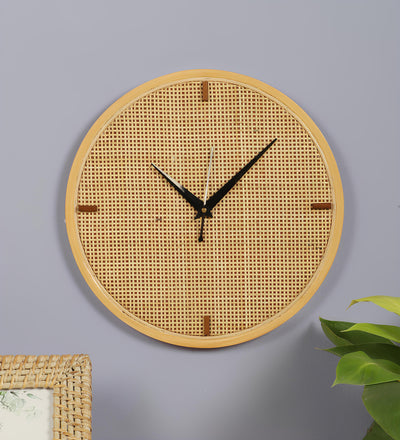
A round handwoven bamboo clock with a warm natural frame and clear face. Compact enough for a kitchen or study wall, with a silent quartz movement.
From Rs 1,999
Shop Now
A sunburst-inspired bamboo design that works as the centrepiece of a gallery wall or behind a dining table. Eye-catching from across the room.
From Rs 1,999
Shop Now
A woven wall basket set that surrounds your clock with texture. Build a gallery wall by pairing it with the clock as the centrepiece.
From Rs 5,499
Shop Now
A round boho rattan mirror that mirrors the shape of your clock across the wall. A classic clock-and-mirror pairing for living rooms.
From Rs 2,899
Shop Now
A decorative bamboo mirror for the bedroom wall, ideal opposite a medium clock to balance a calm, natural sleeping space.
From Rs 4,399
Shop NowWhy a natural wall clock beats plastic and metal
- Warmth and texture: plastic and metal clocks feel cold and mass-produced, while rattan and bamboo bring organic texture that makes a wall feel inviting and alive.
- One of a kind: every handwoven frame varies slightly in tone and weave, so no two clocks are exactly alike, a signature of genuine artisan craftsmanship rather than a factory mould.
- Eco-friendly: made from sustainably harvested rattan and bamboo with no plastic casing and no toxic paint. Bamboo grows far faster than hardwood and rattan harvesting does not kill the plant.
- Doubles as decor: a natural clock works as wall art even when you are not checking the time, which a plain plastic dial never does.
- Ages well: the natural golden-brown tones deepen and grow richer over the years, where plastic simply yellows and cracks.
Common mistakes to avoid
- Buying too small: the single most common error. When in doubt, size up, a slightly larger clock almost always looks better than one that is too small.
- Hanging it too high: the centre of the clock should sit near eye level, roughly 145 to 150 cm from the floor when hung alone, not floating near the ceiling.
- Ignoring the movement: a beautiful frame with a noisy ticking movement will end up in a drawer. Confirm it is silent-sweep before you buy.
- Placing it in direct sun or steam: harsh sunlight fades the fibre and constant steam weakens it. Choose a wall away from both.
- Forgetting contrast: a clock you cannot read from across the room is decor first and clock second. Check the dial is legible at a glance.
Materials and craftsmanship
Every Akway wall clock is a marriage of traditional weaving and reliable modern mechanics. The rattan and bamboo are sustainably harvested, with no plastic casings and no toxic paints, so the finished clock is biodegradable at the end of its life.
- Rattan frame: hand-woven rattan strips form the outer frame and decorative detail, with natural golden-brown tones that deepen with age.
- Bamboo structure: bamboo gives the rigid base that holds the mechanism securely, heat-treated for durability and insect resistance.
- Cane detailing: fine cane webbing and wrapping refine the frame edges and markers, showing off the artisan's skill.
- Quartz movement: a silent-sweep quartz mechanism for accurate, noiseless timekeeping, powered by a single AA battery (not included).
Care and battery
- Dust the frame gently with a soft dry cloth or feather duster every one to two weeks.
- Avoid hanging in direct sunlight for long periods, as UV exposure can fade the natural rattan colour over time.
- Keep away from moisture: avoid unventilated bathrooms or outdoor spots exposed to rain.
- Replace the battery once a year, or when the clock stops. A quality AA alkaline battery typically lasts 12 to 18 months.
- Oil the frame with a light coat of linseed oil every 12 to 18 months to keep the natural lustre.
- Mount securely using the included hardware, and make sure the wall anchor is rated for the clock's weight.